Deixe um recado
Se você estiver interessado em nossos produtos e quiser saber mais detalhes, deixe uma mensagem aqui e responderemos assim que possível.
Alternativa aos pigmentos de iriidina da Merck — Série Branco Prateado
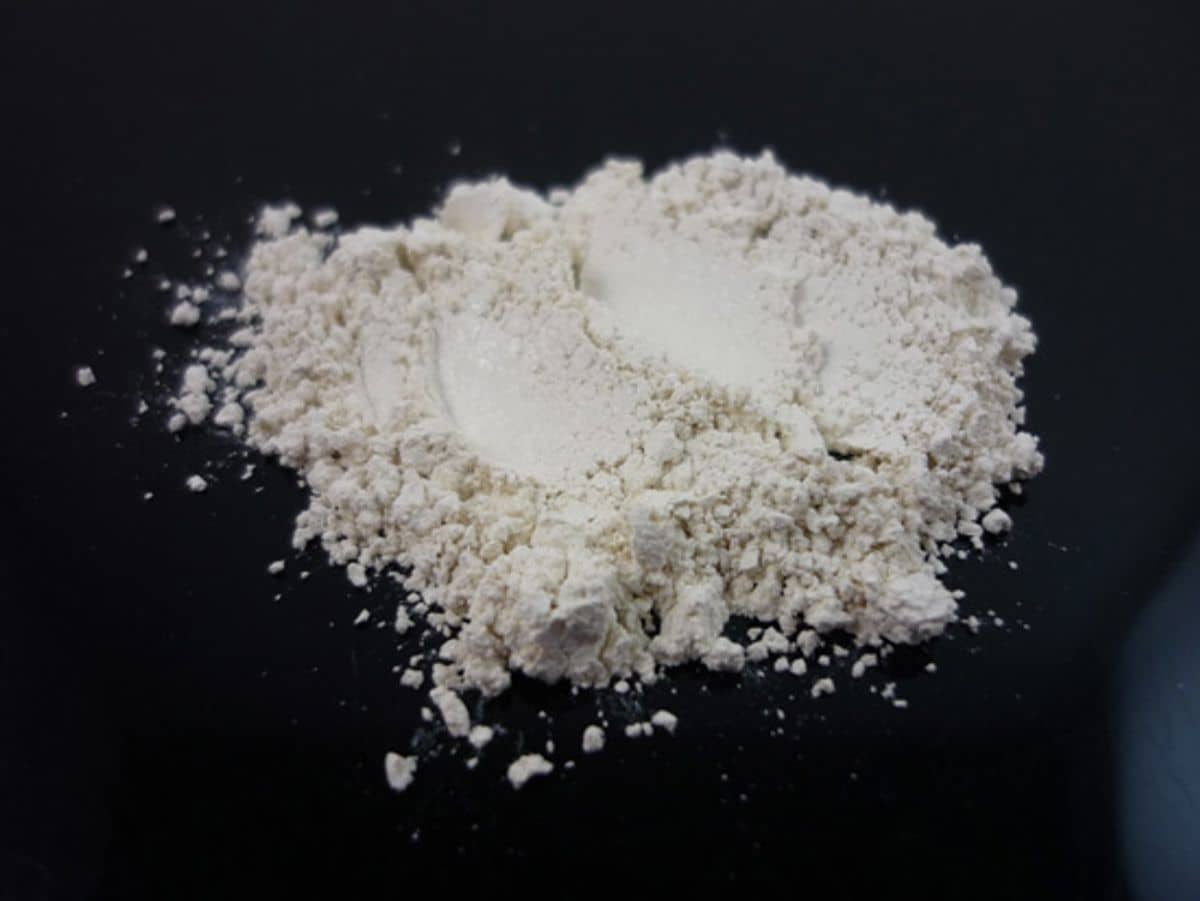
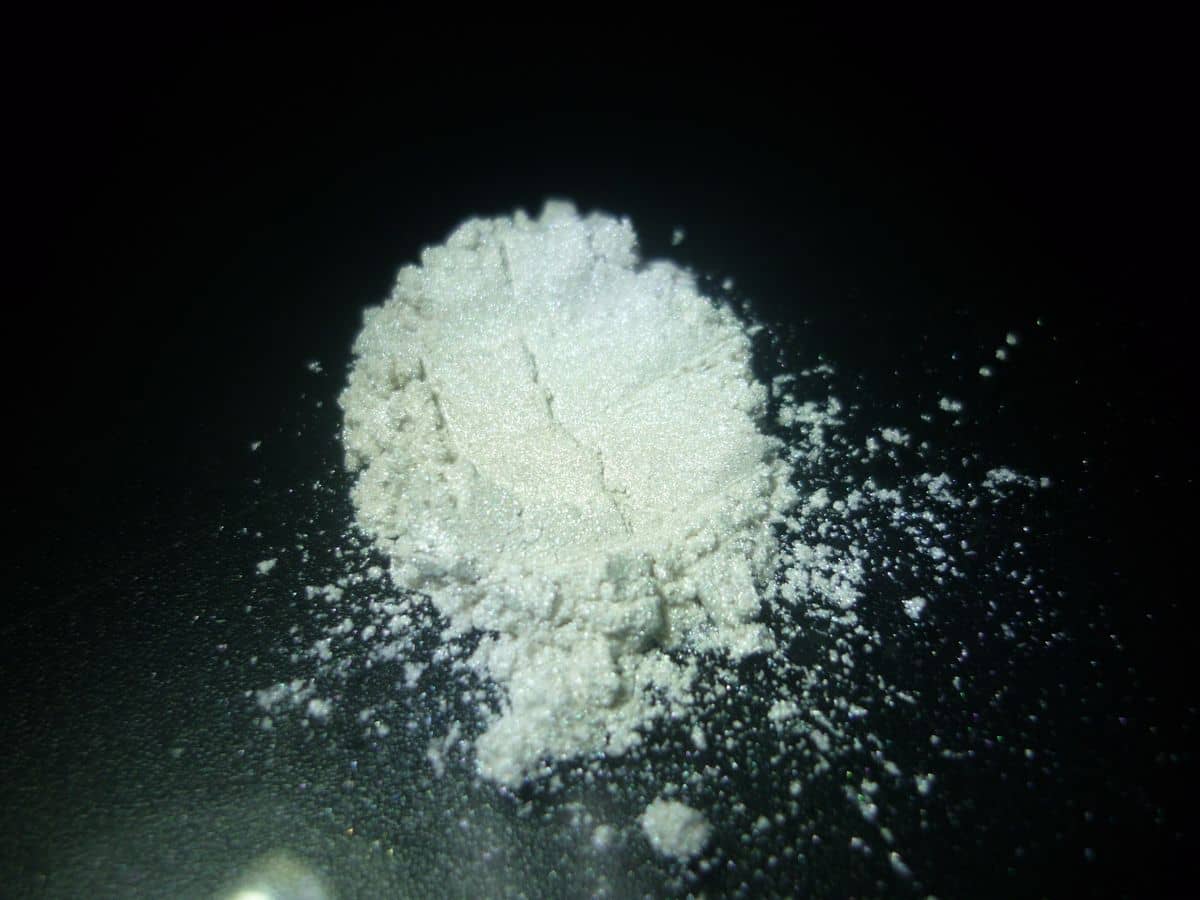
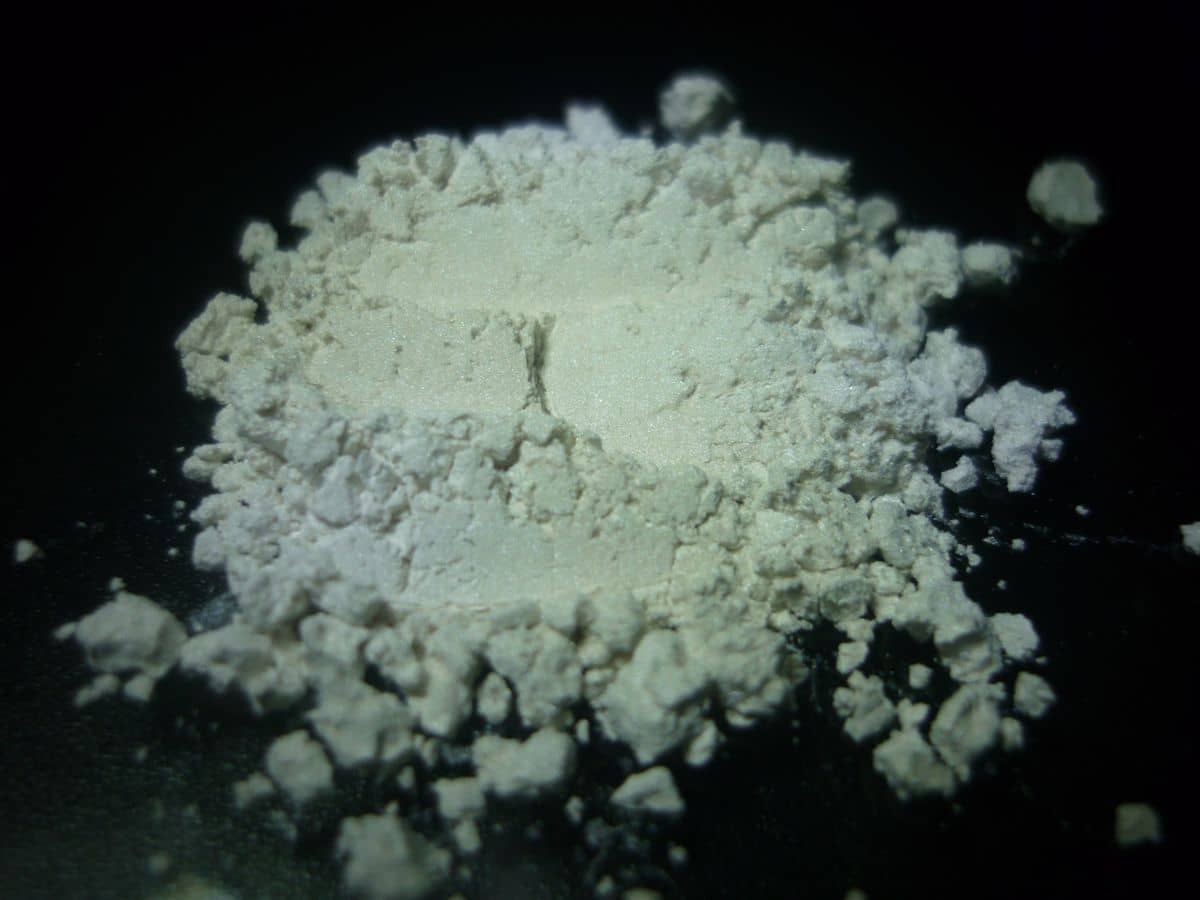
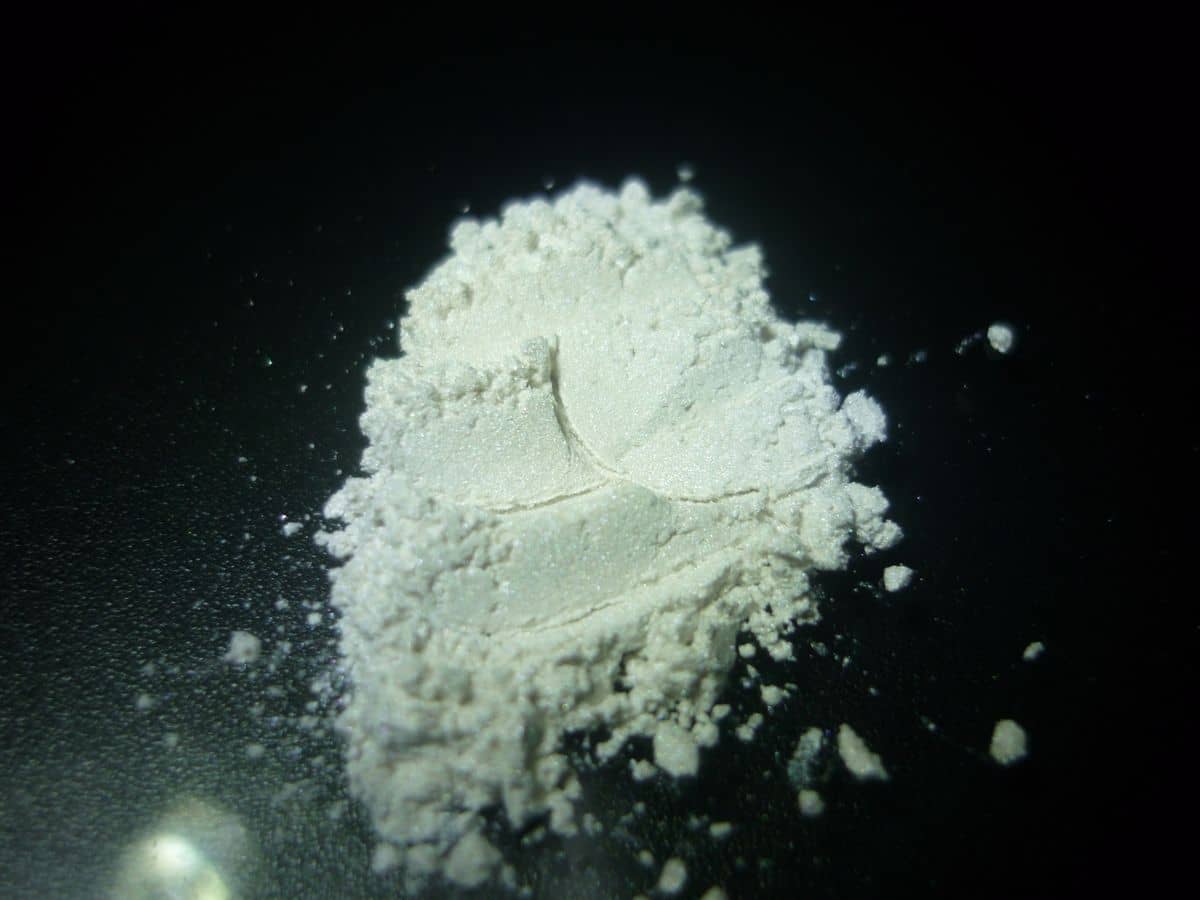
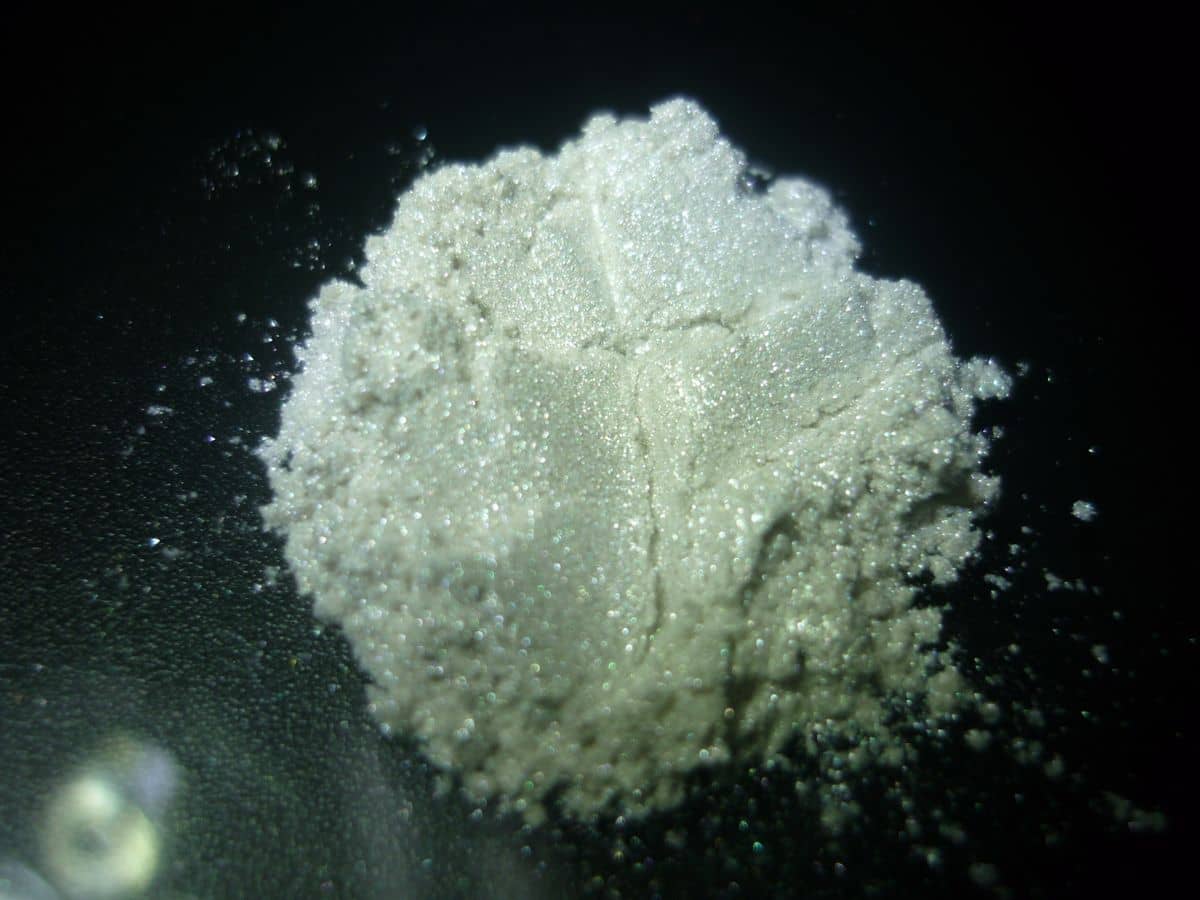
Os pigmentos perolados branco-prateados são a base do mundo dos pigmentos de efeito. Eles são a base de tudo, desde bases automotivas até esmaltes de unha, e a lógica de formulação por trás deles não mudou muito em décadas: flocos de mica revestidos com dióxido de titânio, ajustados pelo tamanho das partículas e pela forma cristalina do TiO₂ para fornecer um equilíbrio específico de brancura, brilho e cintilação. O que mudou foi o cenário de fornecimento.
Item nº. :
Silver White SeriesEfeito de cor :
Silver WhiteTamanho da partícula :
<15μm,5-20μm,10-40μm,20-100μm,30-150μm,40-200μm,50-500μmComposição :
natural / synthetic micaMarca :
Kolortek / OEMMOQ :
25KGAplicativo :
Paints & Coatings, Printing Inks, Cosmetics, Soaps, Nail Polish, Epoxy Flooring, Artificial Marble, Crafts, etc.Iriodin, da Merck, tem sido, por muito tempo, a linha de referência para esta categoria. Muitos formuladores basearam seus padrões de cor nela. No entanto, os prazos de entrega, a volatilidade de preços e as restrições de quantidade mínima de encomenda (MOQ) levam as equipes técnicas a qualificar alternativas — sem comprometer os parâmetros de desempenho que importam.
As séries KT-100 (mica natural) e KT-7100 (mica sintética) da Kolortek foram desenvolvidas considerando esse cenário de substituição. A distribuição do tamanho das partículas, os tipos de substrato e as composições do revestimento são semelhantes aos padrões de referência da Iriodin. Na prática, avaliações lado a lado mostram perfis goniométricos comparáveis para a maioria dos padrões — embora, como em qualquer substituição, a aplicação e o sistema dispersante determinarão o desempenho final.
A série KT-100 abrange a gama padrão de efeitos branco-prateados em mica natural. Trata-se de revestimentos de TiO₂ anatase ou rutilo, dependendo da qualidade — a distinção é importante para a resistência às intempéries e o brilho. As qualidades de rutilo (aquelas com óxido de estanho na camada de revestimento) oferecem maior índice de refração e melhor durabilidade externa.
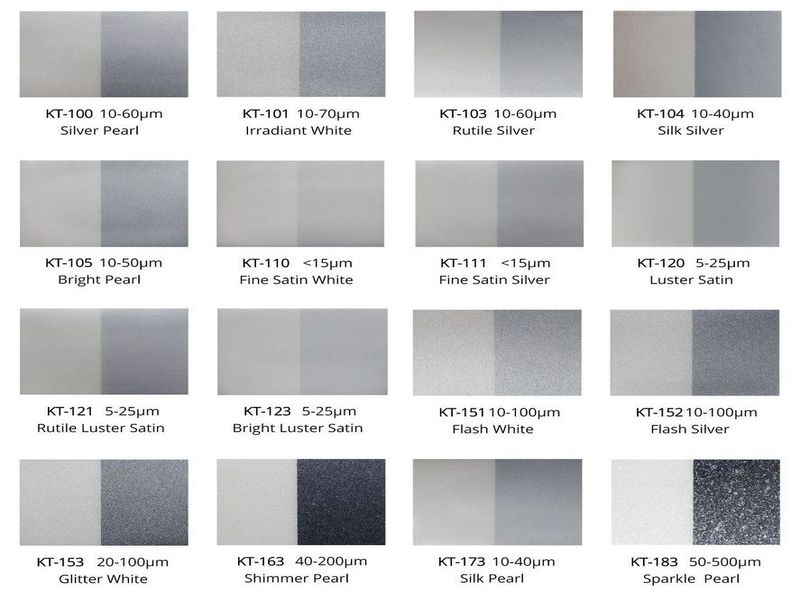
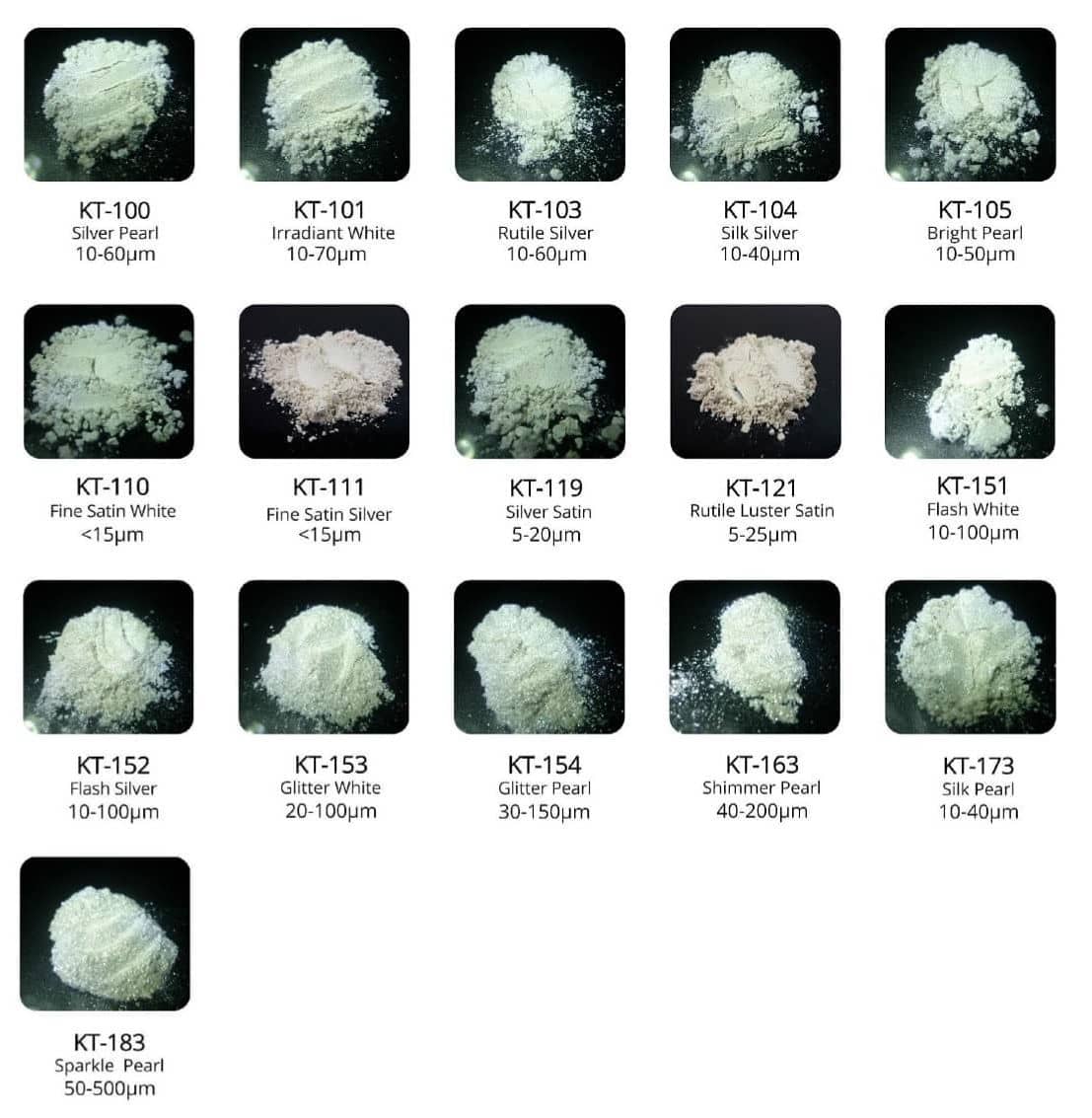
| Modelo | Nome do efeito | Tamanho da partícula | Composição | Equivalente de Iriodina |
|---|---|---|---|---|
| KT-100 | Pérola Prateada | 10–60 μm | Mica, TiO₂ | Iriodina 100 |
| KT-101 | Branco Irradiante | 10–70 μm | Mica, TiO₂ | — |
| KT-103 | Prata rutilo | 10–60 μm | Mica, TiO₂, SnO₂ | Iriodina 103 |
| KT-104 | Prata de Seda | 10–40 μm | Mica, TiO₂, SnO₂ | — |
| KT-105 | Pérola Brilhante | 10–50 μm | Mica, TiO₂ | — |
| KT-110 | Branco acetinado fino | <15 μm | Mica, TiO₂ | — |
| KT-111 | Prata acetinada fina | <15 μm | Mica, TiO₂, SnO₂ | — |
| KT-119 | Cetim prateado | 5–20 μm | Mica, TiO₂, SnO₂ | — |
| KT-121 | Cetim com brilho de rutilo | 5–25 μm | Mica, TiO₂, SnO₂ | — |
| KT-151 | Flash Branco | 10–100 μm | Mica, TiO₂ | Iriodina 151 |
| KT-152 | Prata brilhante | 10–100 μm | Mica, TiO₂, SnO₂ | — |
| KT-153 | Branco com Glitter | 20–100 μm | Mica, TiO₂ | Iriodina 153 |
| KT-154 | Pérola brilhante | 30–150 μm | Mica, TiO₂ | — |
| KT-163 | Pérola Brilhante | 40–200 μm | Mica, TiO₂ | Iriodina 163 |
| KT-173 | Pérola de Seda | 10–40 μm | Mica, TiO₂ | — |
| KT-183 | Pérola Brilhante | 50–500 μm | Mica, TiO₂ | — |
A mica sintética — fluorflogopita — vale a pena ser especificada quando a aplicação exige maior pureza, cor mais limpa ou estabilidade a temperaturas elevadas. A mica natural contém impurezas minerais residuais que podem introduzir um leve tom amarelado e ocasionais manchas escuras; a mica sintética elimina a maior parte desses problemas. A diferença é sutil na tonalidade geral, mas mais visível em granulometrias finas ou sistemas altamente transparentes.
Para o processamento de plásticos em altas temperaturas ou revestimentos arquitetônicos externos, a estabilidade térmica da série KT-7100 é um diferencial genuíno — e não uma mera alegação de marketing.
| Modelo | Nome do efeito | Tamanho da partícula | Composição |
|---|---|---|---|
| KT-7101 | Branco acetinado fino | <15 μm | Fluorflogopita, TiO₂ |
| KT-7102 | Branco acetinado | 5–25 μm | Fluorflogopita, TiO₂ |
| KT-7103 | Branco brilhante | 10–60 μm | Fluorflogopita, TiO₂ |
| KT-7104 | Branco Brilhante | 15–75 μm | Fluorflogopita, TiO₂ |
| KT-7105 | Flash Branco | 10–100 μm | Fluorflogopita, TiO₂ |
| KT-7106 | Branco com Glitter | 30–150 μm | Fluorflogopita, TiO₂ |
| KT-7107 | Branco Brilhante | 40–300 μm | Fluorflogopita, TiO₂ |
| KT-7108 | Branco Ultra Brilhante | 50–350 μm | Fluorflogopita, TiO₂, SnO₂ |
| KT-7109 | Branco Brilhante Intenso | 200–700 μm | Fluorflogopita, TiO₂, SnO₂ |
| KT-7191 | Branco Brilhante Intenso | 100–1000 μm | Fluorflogopita, TiO₂ |
| KT-7192 | Máxima Branca | 200–1000 μm | Fluorflogopita, TiO₂, SnO₂ |
| KT-7121 | Prata acetinada fina | <15 μm | Fluorflogopita |
| KT-7122 | Prata acetinada | 5–25 μm | Fluorflogopita |
| KT-7123 | Prata acetinada brilhante | 10–40 μm | Fluorflogopita |
| KT-7124 | Prata de Seda | 10–50 μm | Fluorflogopita |
| KT-7125 | Prata brilhante | 10–60 μm | Fluorflogopita |
| KT-7126 | Prata brilhante | 20–100 μm | Fluorflogopita |
| KT-7127 | Prata com Glitter | 30–100 μm | Fluorflogopita |
| KT-7128 | Prata com Glitter | 30–150 μm | Fluorflogopita |
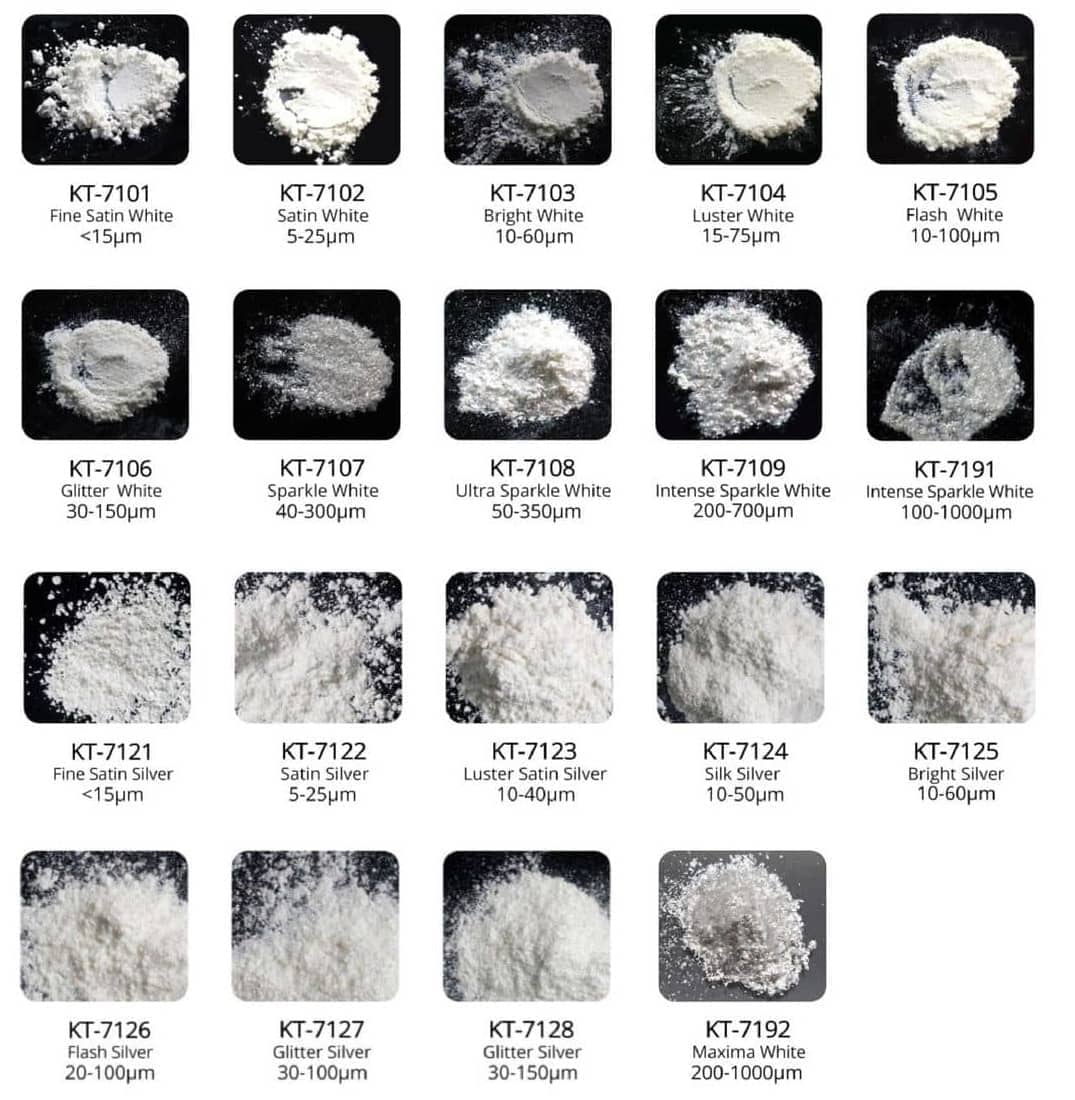
Essas granulometrias são adequadas para uma ampla gama de aplicações, embora a faixa de tamanho de partícula apropriada varie significativamente dependendo do processo e do substrato.
Tintas e revestimentos:Partículas de tamanho médio (10–60 μm) são a escolha padrão para revestimentos decorativos à base de solvente e à base de água. Os tipos de rutilo suportam melhor a exposição externa do que os de anatase. Em efeitos metálicos, a mistura com pasta de alumínio pode aumentar o brilho, enquanto o componente perolado mantém o tom branco-prateado.
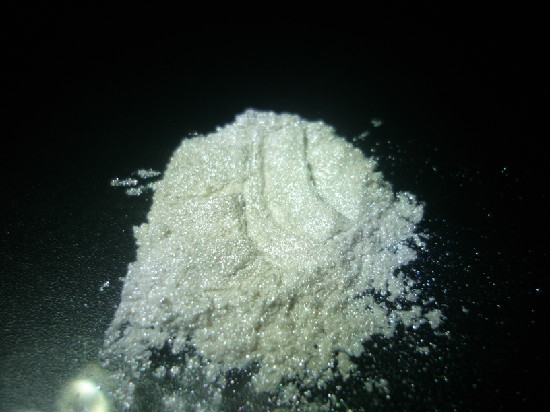
No10–100 μmO KT-152 abrange a faixa de tamanho de partícula onde o pigmento de mica prateada transita de uma cobertura perolada suave para umaefeito prateado brilhante— Os reflexos individuais das plaquetas tornam-se visíveis a olho nu, conferindo aos revestimentos, pisos epóxi e superfícies decorativas um brilho acentuado que as granulometrias mais finas não conseguem produzir. A distribuição mais ampla torna-o uma especificação prática de granulometria única para aplicações onde tanto a continuidade da cobertura quanto o brilho visível são necessários simultaneamente, sem as limitações de textura superficial das granulometrias mais grossas de 40–200 μm.
LEIA MAIS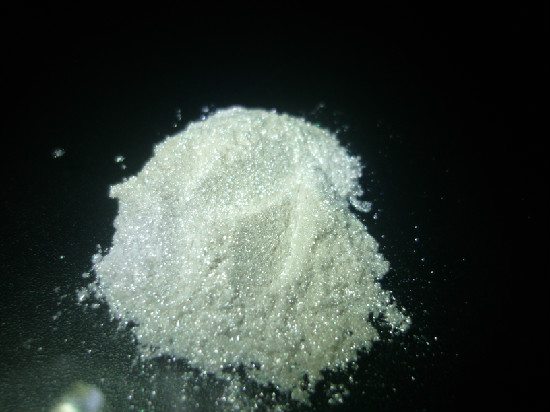
KT-153 é umpó de mica perolado branco com glitternoFaixa de tamanho de partícula de 20 a 100 μm— uma mica natural revestida com TiO₂ rutilo que produz um brilho prateado-esbranquiçado intenso, semelhante a glitter, em revestimentos, sistemas epóxi, produtos para unhas e aplicações decorativas. Nessa distribuição, o corte de tamanho menor remove a fração muito fina que contribui para a cobertura perolada de fundo, concentrando a emissão visual em direção aoreflexos de flashes de plaquetas individuais— o resultado é um brilho mais intenso, semelhante a glitter, do que um pó branco prateado padrão de 10 a 60 μm, sem as limitações de textura superficial dos pós puramente grossos de 40 a 200 μm.
LEIA MAIS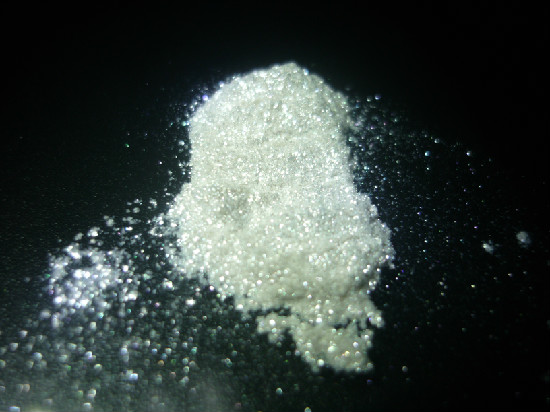
KT-163 é umpó de pigmento de mica natural perolado brilhantenoFaixa de tamanho de partícula de 40–200 μm— uma das granulometrias mais grossas da Série KT-100 Branco Prateado, projetada para aplicações onde o efeito desejado é um brilho individual intenso e visível das plaquetas, em vez de uma cobertura perolada uniforme. Nessa distribuição, as plaquetas de mica individuais revestidas com TiO₂ rutilo são grandes o suficiente para produzir reflexos nítidos e direcionais visíveis a olho nu, conferindo a pisos epóxi, bancadas, revestimentos decorativos e aplicações em resina artesanal um brilho pronunciado que as granulometrias peroladas mais finas não conseguem replicar. Para formuladores que precisam de uma pérola branco prateado grossa com intensidade de brilho consistente entre lotes, a KT-163 abrange a extremidade superior de brilho da linha de mica natural KT-100.
LEIA MAIS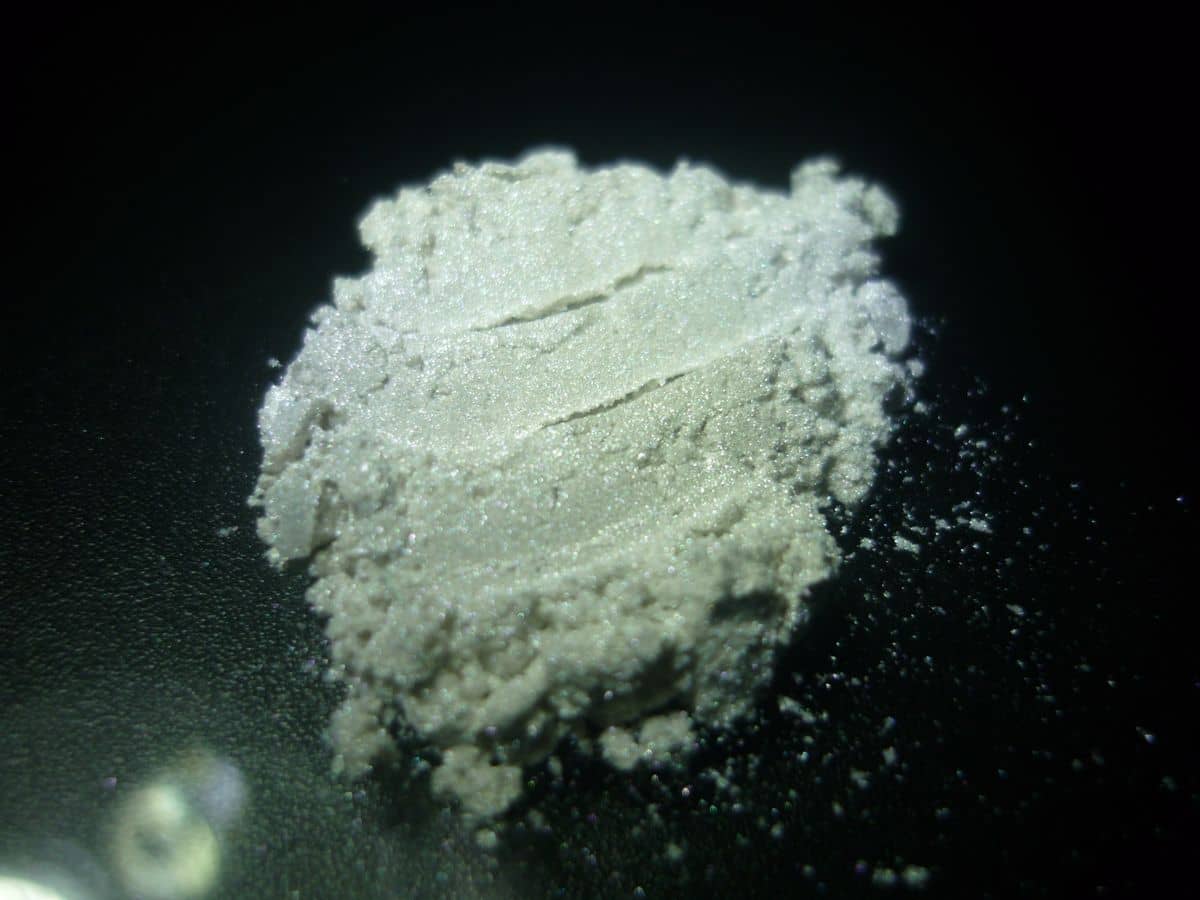
Os pigmentos perolados branco-prateados são a base da formulação de pigmentos de efeito — aqueles que todo formulador utiliza em primeiro lugar. São também aqueles em que pequenas diferenças no tamanho das partículas, na pureza do substrato e na qualidade do revestimento de TiO₂ fazem a maior diferença prática no produto final.
LEIA MAIS
Os pigmentos perolados branco-prateados são a base do mundo dos pigmentos de efeito. Eles são a base de tudo, desde bases automotivas até esmaltes de unha, e a lógica de formulação por trás deles não mudou muito em décadas: flocos de mica revestidos com dióxido de titânio, ajustados pelo tamanho das partículas e pela forma cristalina do TiO₂ para fornecer um equilíbrio específico de brancura, brilho e cintilação. O que mudou foi o cenário de fornecimento.
LEIA MAIS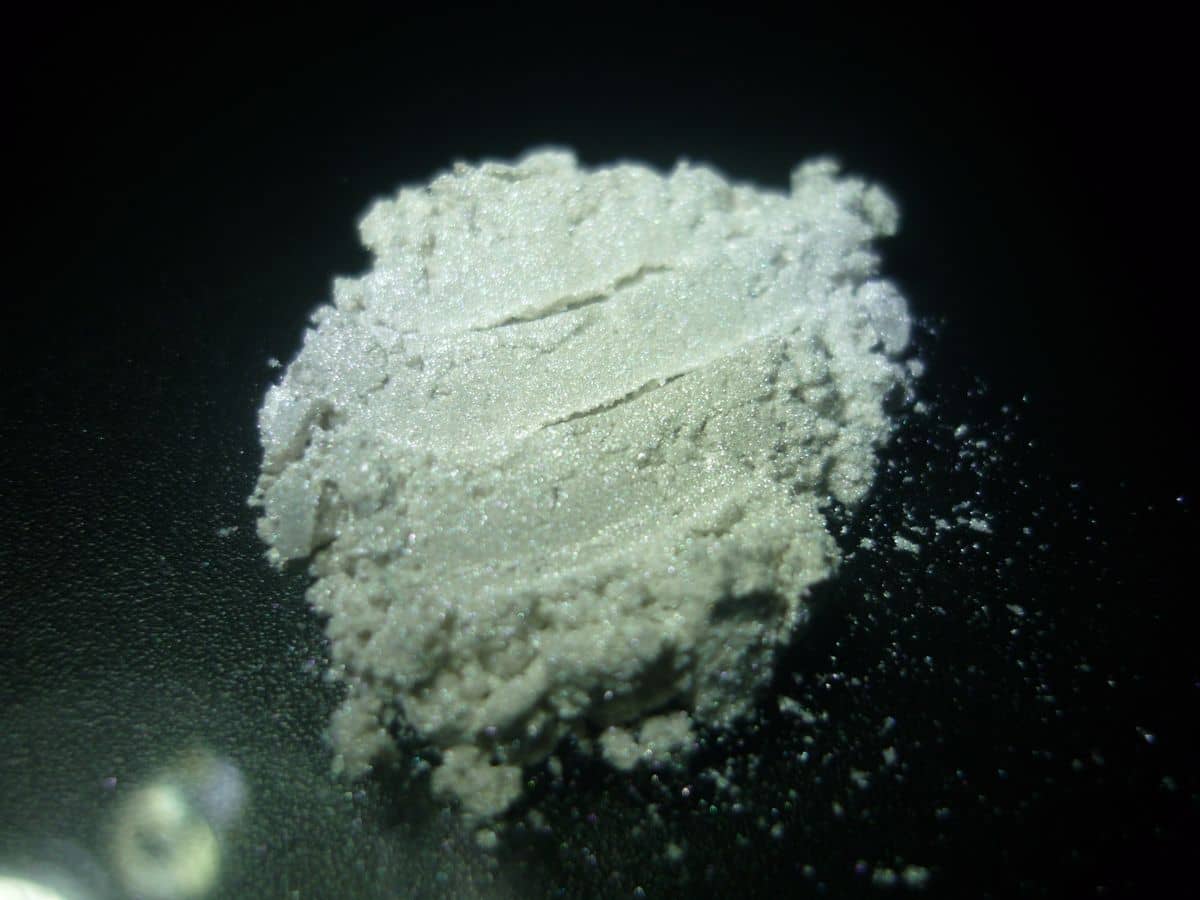
Os pigmentos perolados branco-prateados são um dos pigmentos de efeito mais especificados em revestimentos, plásticos, impressão e cosméticos — e o KT-100 é o equivalente de aplicação direta da Kolortek ao Iriodin 100. Mesma plataforma de mica-dióxido de titânio, mesma faixa de tamanho de partícula, mesmo comportamento óptico. Se sua formulação foi desenvolvida em torno do Iriodin 100, o KT-100 se encaixa perfeitamente sem necessidade de reformulação.Dito isso, "equivalente" não significa idêntico em todos os casos extremos. Na prática, significa que o substrato, a morfologia das plaquetas e o índice de refração são suficientemente comparáveis para que você não precise redesenhar seu processo para se adequar a isso.
LEIA MAIS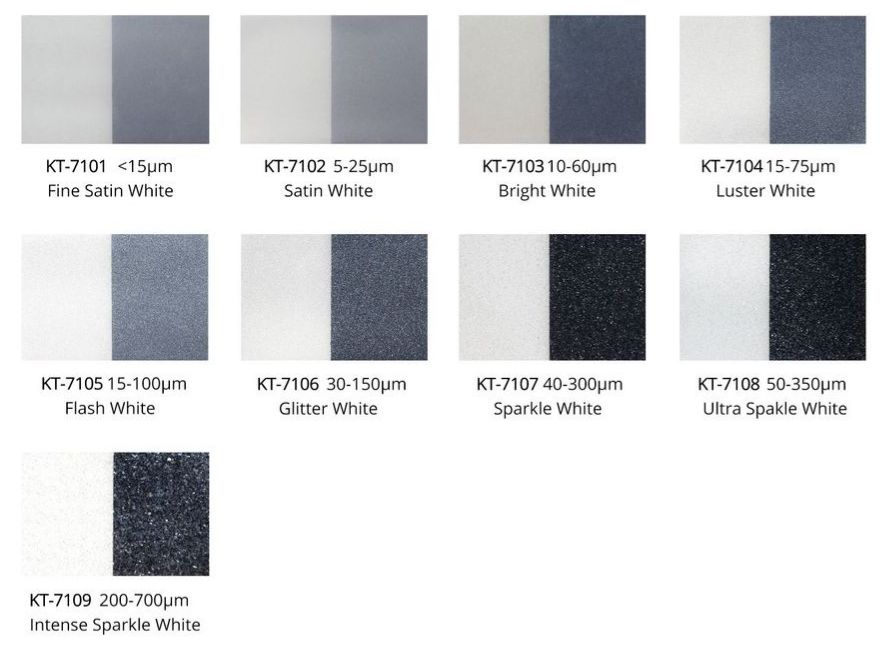
O pigmento perolado branco prateado, disponível para compra no atacado na China, combina o brilho metálico intenso da mica revestida com TiO₂ com preços direto da fábrica e flexibilidade para pedidos em grandes quantidades. Nossa série KT-100 Branco Prateado abrange tamanhos de partículas que variam de 5 µm para acabamentos acetinados a 200 µm para acabamentos brilhantes e grossos, atendendo a aplicações em bases automotivas, revestimentos decorativos, plásticos e tintas de impressão, onde um efeito branco prateado limpo e brilhante é necessário em larga escala.
LEIA MAIS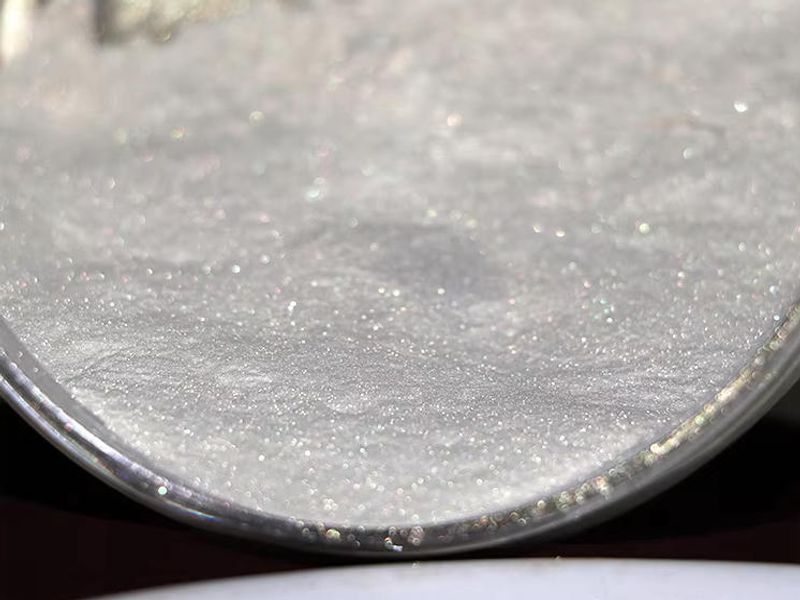
O pigmento de mica perolado brilhante proporciona um brilho prateado-branco intenso e puro através de um revestimento de dióxido de titânio sobre um substrato de mica natural. Formulamos este pigmento em diversas distribuições de tamanho de partícula na nossa Série KT-100 Branco Prateado, oferecendo aos formuladores um controle preciso sobre a densidade de cobertura e a intensidade do brilho — as granulometrias mais finas proporcionam uma cobertura perolada suave e uniforme em cosméticos e revestimentos automotivos, enquanto as frações mais grossas produzem efeitos de brilho mais pronunciados em plásticos e tintas de impressão.
LEIA MAIS
 Português
 English
 Français
 Deutsch
 Русский
 Español