
Deixe um recado
Se você estiver interessado em nossos produtos e quiser saber mais detalhes, deixe uma mensagem aqui e responderemos assim que possível.
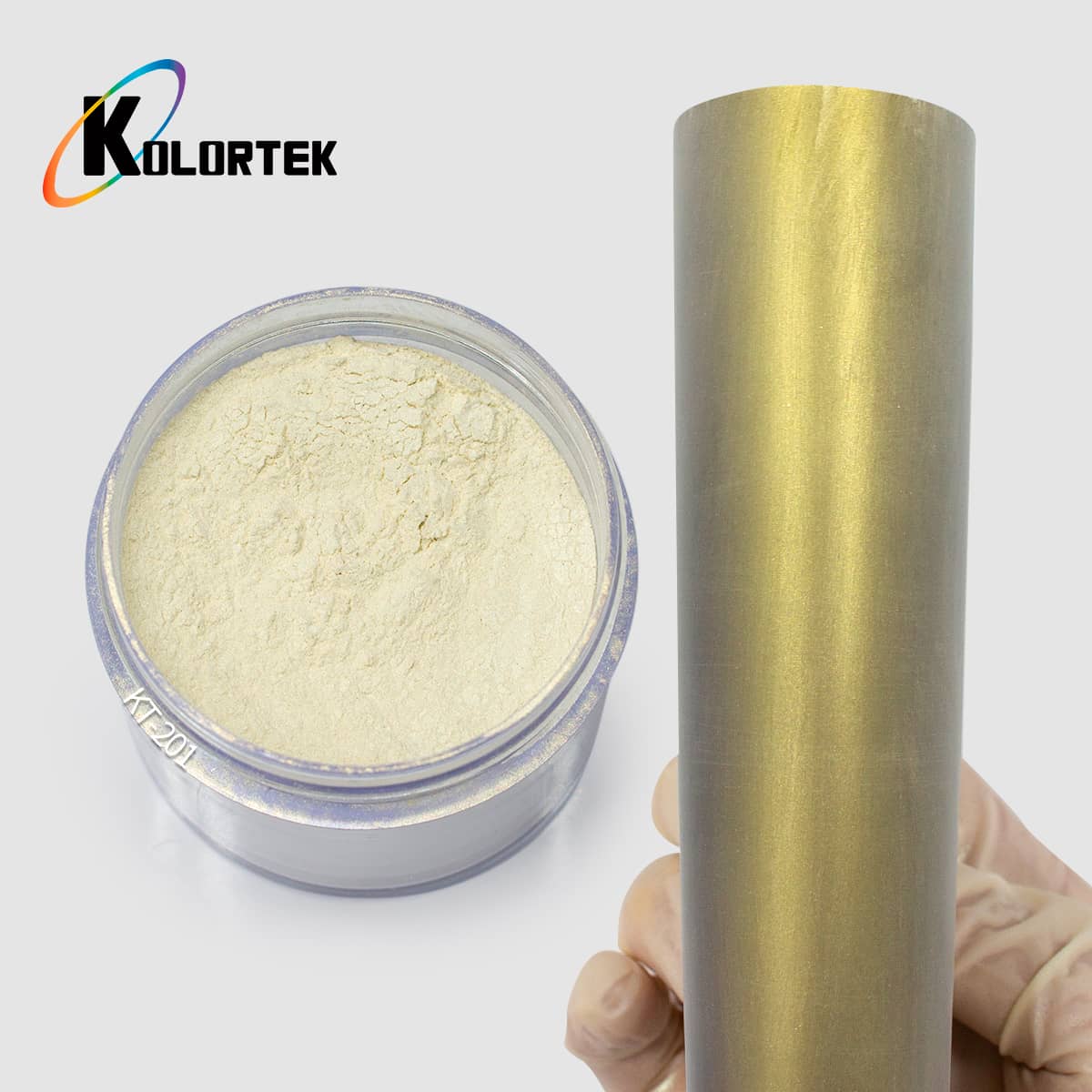
Pigmento de mica dourada acetinada KT-201 — Equivalente ao Iriodin 201, partículas finas
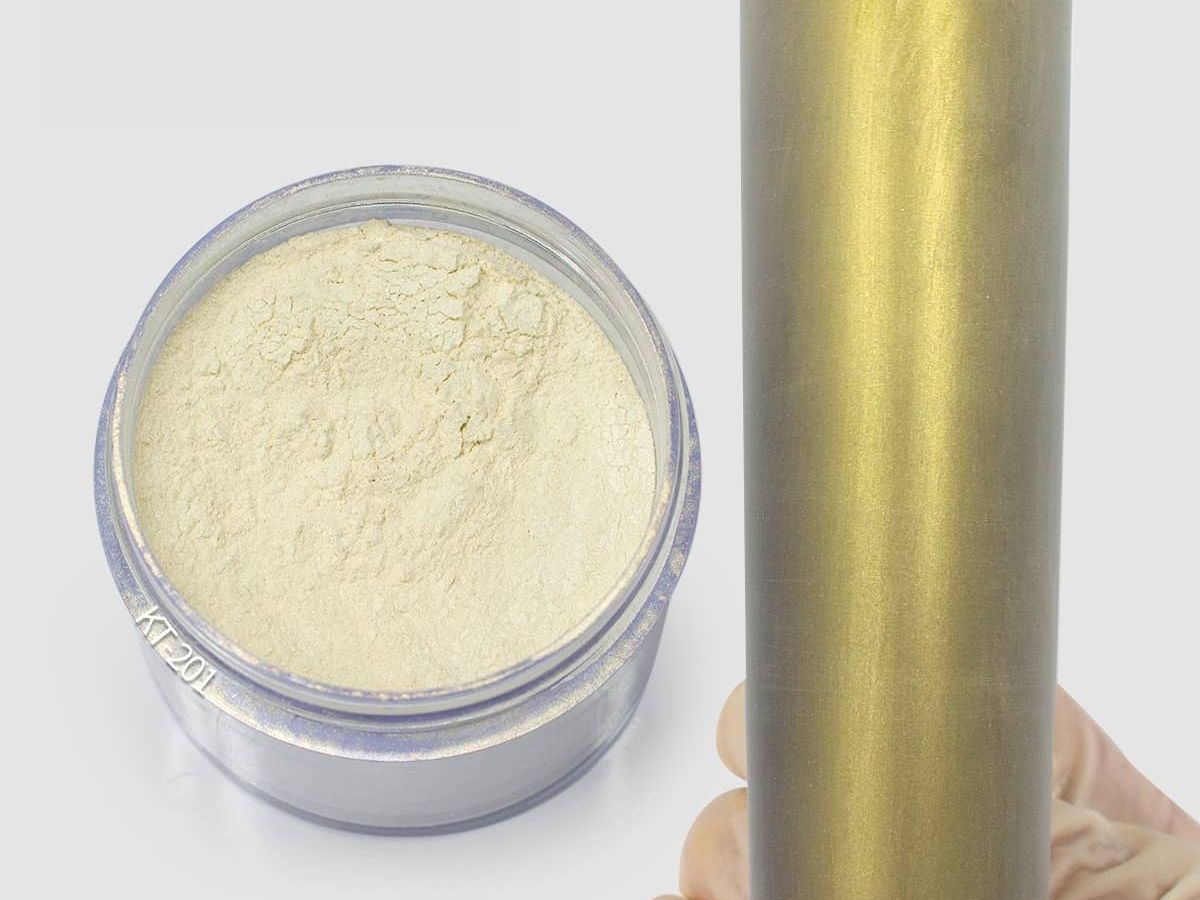
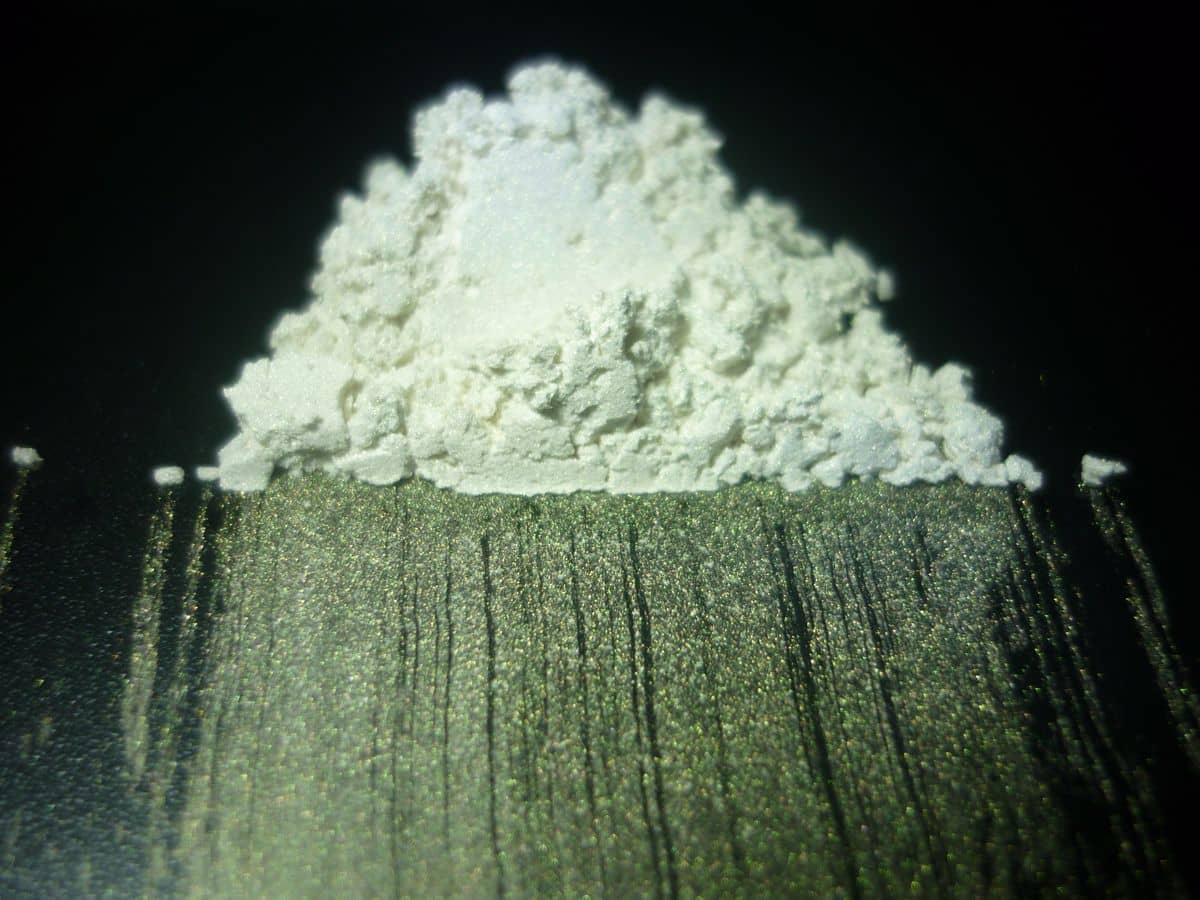
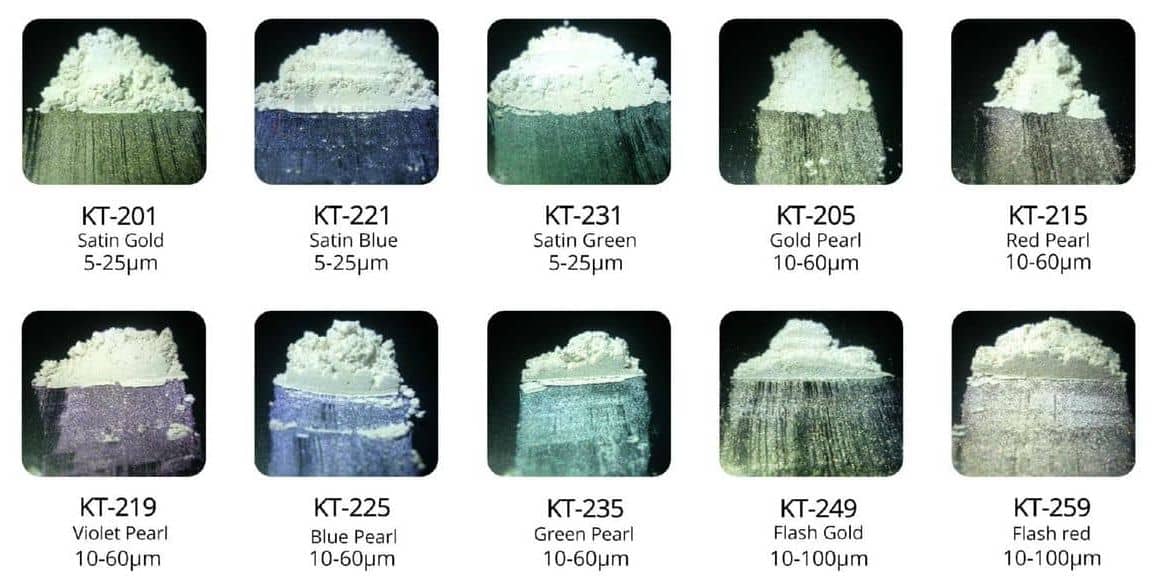
O KT-201 é um pigmento de interferência de partículas finas, construído sobre mica natural com um revestimento de TiO₂ + SnO₂. O tamanho das partículas varia entre 5 e 25 μm, o que o posiciona na categoria de acabamento acetinado — com um caráter óptico suave e sedoso, sem brilho excessivo. O mecanismo de cor é a interferência óptica: a espessura da camada de TiO₂ é ajustada para reforçar seletivamente a luz com comprimento de onda semelhante ao do ouro, enquanto suprime os tons complementares. O resultado é um dourado suave, com variação angular que se apresenta de forma diferente dependendo do ângulo de visão e da cor do substrato.Esta qualidade é estruturalmente equivalente ao Iriodin 201 Satin Gold — mesmo substrato de mica, mesma composição química do revestimento (TiO₂ + SnO₂), mesma faixa de tamanho de partícula. Para formuladores que precisam de uma solução de substituição direta. pigmentos alternativos de mica da Merck Sem a necessidade de reformulação em torno de uma distribuição de tamanho de partículas ou perfil de índice de refração diferente, o KT-201 é a substituição direta.
Item nº. :
KT-201Efeito de cor :
Satin GoldTamanho da partícula :
5-25μmComposição :
Mica, Titanium Dioxide, Tin OxideMarca :
Kolortek / OEMMOQ :
25KGAplicativo :
Paints & coatings, Printing inks (fine grades), Plastics, Cosmetics, Soap, Nail products, Craft materials, etc.A série KT 200 compartilha a mesma base de mica natural da série KT 100 branco-prateada, mas possui uma camada mais espessa de dióxido de titânio. Essa espessura adicional transforma os pigmentos de um branco-prateado neutro em pigmentos de interferência seletiva — cada grau ajustado para uma faixa de cor específica. O KT-201 é voltado para a faixa dourada. Se você precisar de uma visão mais ampla da linha de interferência, a tabela abaixo abrange toda a gama:
| Código Kolortek | Nome do produto | Tamanho da partícula | Equivalente de Iriodina |
|---|---|---|---|
| KT-201 | Dourado acetinado | 5–25 μm | Iriodina 201 |
| KT-221 | Azul Cetim | 5–25 μm | Iriodina 221 |
| KT-231 | Verde Cetim | 5–25 μm | Iriodina 231 |
| KT-205 | Pérola Dourada | 10–60 μm | Iriodina 205 |
| KT-215 | Pérola Vermelha | 10–60 μm | Iriodina 215 |
| KT-219 | Pérola Violeta | 10–60 μm | Iriodina 219 |
| KT-225 | Pérola Azul | 10–60 μm | Iriodina 225 |
| KT-235 | Pérola Verde | 10–60 μm | Iriodina 235 |
| KT-249 | Ouro Flash | 10–100 μm | Iriodina 249 |
| KT-259 | Vermelho Flash | 10–100 μm | Iriodina 259 |
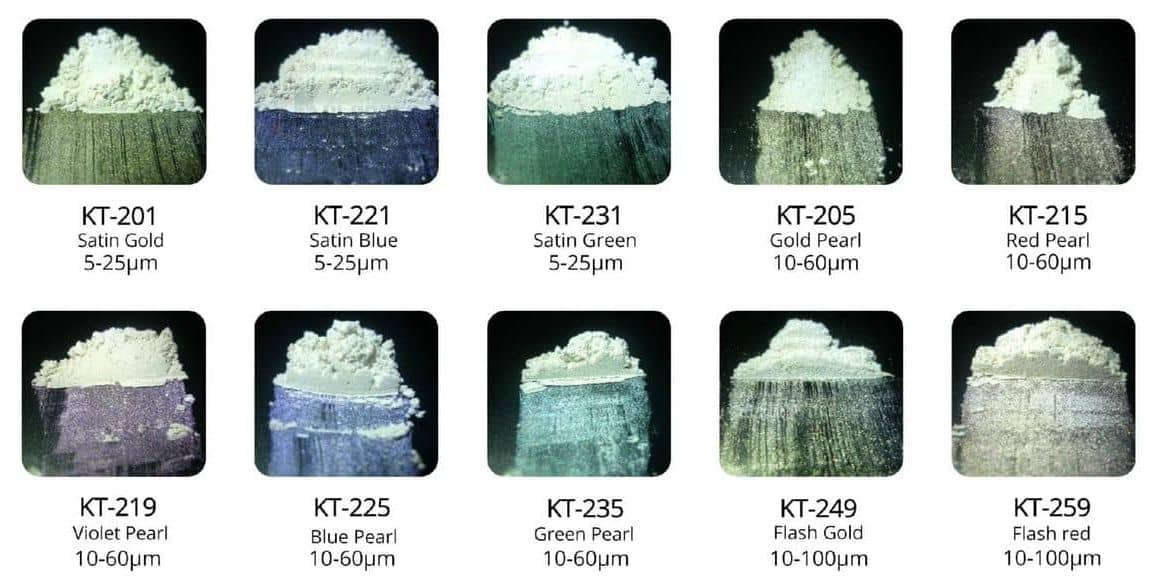
A série 7000 (KT-7211 a KT-7275) amplia ainda mais a gama de interferências com partículas de brilho, cintilância e superbrilho. Estas se distinguem da KT-201 em termos de características visuais — são mais grossas, mais reflexivas e menos adequadas para impressão de alta precisão ou aplicações cosméticas onde a suavidade é importante.
A faixa de tamanho de partícula de 5 a 25 μm é o que torna o KT-201 útil em uma gama mais ampla de aplicações do que os grãos de interferência mais grossos. Fino o suficiente para impressão em rotogravura e flexografia. Suave o suficiente para formulações cosméticas — sombras para os olhos, iluminadores, produtos para unhas — onde a textura na pele ou sob análise tátil é importante. Também é usado em revestimentos decorativos, aplicações artesanais e sabonetes.
Na prática, se você estiver trabalhando com impressão offset ou rotogravura de alta resolução e precisar de interferência de ouro com o mínimo de manchas, o corte fino do KT-201 é preferível aos graus de 10–60 μm. A desvantagem é uma menor intensidade de brilho — você obtém um acabamento acetinado, não um brilho intenso.
Pigmentos de interferência como o KT-201 são sensíveis ao substrato de uma forma que os pigmentos de absorção simplesmente não são. O efeito dourado é produzido pelo reforço seletivo da luz — no ângulo de reflexão, você vê o dourado, mas a luz transmitida ou dispersa carrega a tonalidade complementar (neste caso, tons azul-violeta). Em um substrato branco ou neutro, isso produz um dourado puro. Em um substrato escuro, a cor de interferência pode se intensificar e ficar mais profunda. Em uma base azul ou violeta, o efeito tende a se anular, resultando em uma cor opaca ou turva.
Isso não é um defeito — é intrínseco ao funcionamento da interferência. Mas é uma variável de formulação que precisa ser controlada deliberadamente. Combinar a fase de cor do material base com a tonalidade da interferência, em vez de opor-se a ela, é a abordagem correta.
Vale ressaltar: a opacidade da matriz também desempenha um papel importante. Em sistemas altamente opacos ou preenchidos, o efeito de interferência é parcialmente suprimido porque as plaquetas de pigmento não conseguem se orientar corretamente e a componente de luz transmitida é absorvida antes de contribuir para o efeito visual. Sistemas com menor viscosidade e maior transparência geralmente proporcionam resultados de interferência mais nítidos.
O KT-201 dispersa-se facilmente na maioria dos sistemas de veículos comuns — à base de solvente, à base de água e com cura UV. O tamanho fino das partículas permite uma rápida molhagem, mas a sensibilidade ao cisalhamento ainda é um fator a ser considerado. A mistura sob alta taxa de cisalhamento rompe a geometria das plaquetas, o que degrada diretamente a emissão óptica. A incorporação sob baixa taxa de cisalhamento ou após a adição é a abordagem padrão.
Para aplicações cosméticas, a mistura a seco em pós prensados ou a incorporação em sistemas anidros segue o mesmo princípio de baixa taxa de cisalhamento. Em esmaltes para unhas, a sedimentação pode ser um problema em partículas de tamanho fino — modificadores de reologia são geralmente necessários para manter a suspensão sem afetar a aparência final do filme.
A série de interferências da Kolortek foi projetada para fornecer desempenho tecnicamente comparável.equivalentes de efeito riodinaem toda a linha da série Iriodin 200. O KT-201 reproduz especificamente o Iriodin 201 em substrato (mica natural), revestimento (TiO₂ + SnO₂) e tamanho de partícula (5–25 μm). Para a maioria das aplicações de revestimento, impressão e cosméticos, nenhum ajuste de formulação é necessário durante a substituição.
Dito isso, a distribuição do tamanho das partículas e os detalhes do tratamento de superfície podem variar de lote para lote entre os fabricantes. Se a sua aplicação tiver tolerâncias rigorosas em relação à croma ou ao ângulo de brilho, realizar um teste comparativo antes da transição completa para a produção é a decisão correta.
P: O KT-201 pode substituir diretamente o Iriodin 201 em formulações cosméticas?
A: Em termos de composição, sim — mesmo substrato de mica, revestimento de TiO₂ + SnO₂ e faixa de partículas de 5 a 25 μm. Para uso cosmético, ainda seria necessário confirmar a compatibilidade com seus padrões internos de cor e quaisquer requisitos regulatórios regionais para a aplicação específica. A química do pigmento é equivalente, mas a aprovação para uso cosmético envolve mais do que apenas química.
P: Por que o efeito dourado parece fraco ou sem brilho na minha fórmula?
R: Na maioria das vezes, trata-se de um conflito de cor com o substrato. Se o material base contiver pigmentação azul ou violeta, ele absorverá a cor interferente e suprimirá o ouro. A segunda causa provável é o cisalhamento excessivo durante a dispersão, que reduz o tamanho das plaquetas e prejudica a uniformidade da camada óptica. Verifique ambos os casos antes de ajustar o nível de carregamento.
P: Qual a diferença entre KT-201 (Ouro Acetinado) e KT-205 (Ouro Pérola) ou KT-249 (Ouro Flash)?
A: O tamanho das partículas é a principal diferença. O KT-201, com granulometria de 5 a 25 μm, proporciona um acabamento acetinado e suave, com baixo brilho e textura fina. O KT-205, com granulometria de 10 a 60 μm, produz um efeito perolado mais visível com brilho moderado. O KT-249, com granulometria de 10 a 100 μm, é a opção de alto brilho e acabamento ultrabrilhante. Todos os três são graus de interferência de ouro com a mesma composição química de TiO₂ + SnO₂ / mica. A escolha depende do resultado visual desejado e das restrições do processo de aplicação.
P: O KT-201 pode ser usado como alternativa ao iriodo em revestimentos industriais à base de solventes?
R: Sim. A estrutura de mica/TiO₂ + SnO₂ é quimicamente estável na maioria dos sistemas de solventes — aromáticos, ésteres, cetonas e alifáticos. A compatibilidade com sistemas reativos (epóxi, poliuretano) é geralmente boa, embora a química de cura ocasionalmente afete a orientação superficial das plaquetas. Faça um teste de compatibilidade se estiver trabalhando com sistemas altamente reticulados em temperaturas de cura elevadas.
Se você está avaliando o KT-201 como umalternativa aos pigmentos de irodina da MerckPara formulações existentes ou novos desenvolvimentos, amostras e fichas técnicas estão disponíveis mediante solicitação. Para perguntas específicas sobre aplicações ou pedidos em grande volume, entre em contato diretamente.contact@kolortek.com.
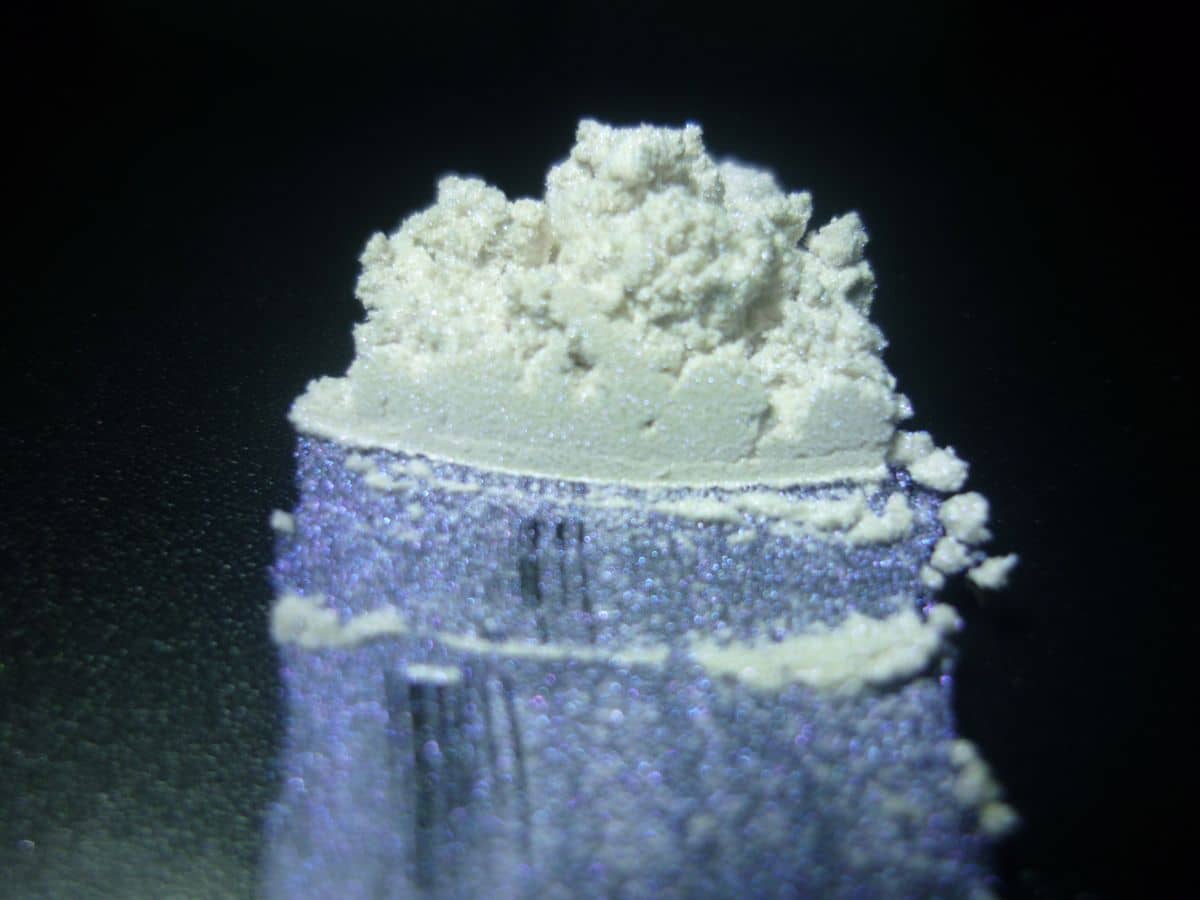
Os pigmentos da Série Interference da Kolortek são projetados para produzir cores iridescentes distintas através do controle preciso da interferência da luz. Ao contrário das pérolas branco-prateadas padrão, esses pigmentos utilizam uma camada mais espessa de dióxido de titânio para refletir seletivamente comprimentos de onda específicos, resultando em reflexos vibrantes em dourado, vermelho, violeta, azul e verde. Disponíveis em substratos de mica natural (KT-200) e fluorflogopita sintética (KT-7200), eles oferecem efeitos de mudança de cor de alto desempenho para aplicações industriais e cosméticas premium.
LEIA MAIS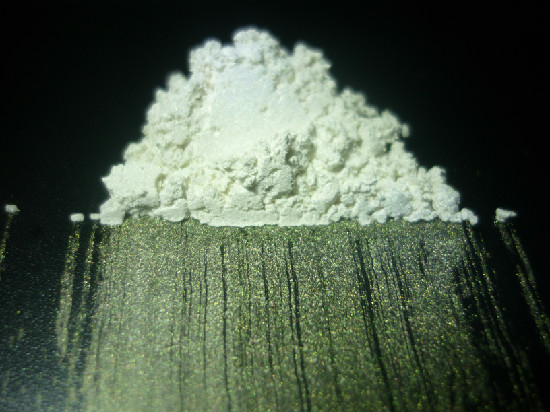
KT-201 é umpigmento de mica de interferência dourada acetinadana multaFaixa de tamanho de partícula de 5 a 25 μm— uma mica natural da Série de Interferência KT-200 com um revestimento de TiO₂ rutilo mais espesso do que as micas brancas prateadas padrão, ajustada para produzir uma cor de interferência dourada através da interferência seletiva da luz. Nesse tamanho de partícula, o efeito se apresenta como um brilho dourado suave e acetinado, adequado para tintas de impressão, cosméticos finos e aplicações de revestimento onde um acabamento perolado dourado suave e uniforme é necessário. A cor de interferência dourada aparece nitidamente em substratos escuros ou transparentes; em bases brancas ou de cores complementares, o efeito é significativamente atenuado — uma dependência do substrato que os formuladores devem levar em consideração durante o desenvolvimento.
LEIA MAIS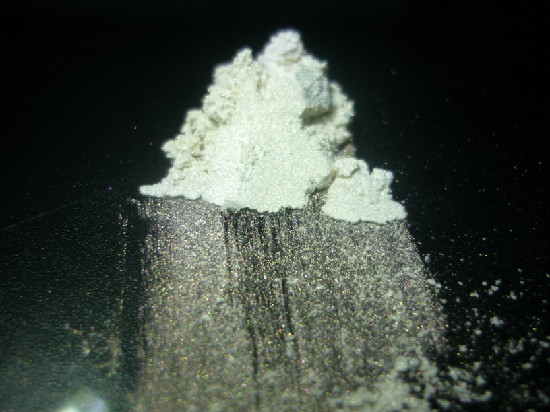
KT-215 é umpigmento de mica de interferência pérola vermelhaDa série de interferência KT-200 — uma mica natural com uma camada média de revestimento de rutilo TiO₂ que reflete seletivamente comprimentos de onda da fase vermelha por meio de interferência de película fina. O pó apresenta-se branco em sua forma bruta; a cor vermelha perolada torna-se visível quando aplicado sobre substratos escuros ou transparentes. Para cosméticos, esmaltes, revestimentos decorativos e tintas de impressão, onde o efeito desejado é um vermelho perolado iridescente e nítido, o KT-215 proporciona uma cor de interferência consistente, determinada pela espessura do revestimento em vez da química do corante ou pigmento — o que significa que a cor não desbota nem se espalha com o tempo da mesma forma que os corantes orgânicos.
LEIA MAIS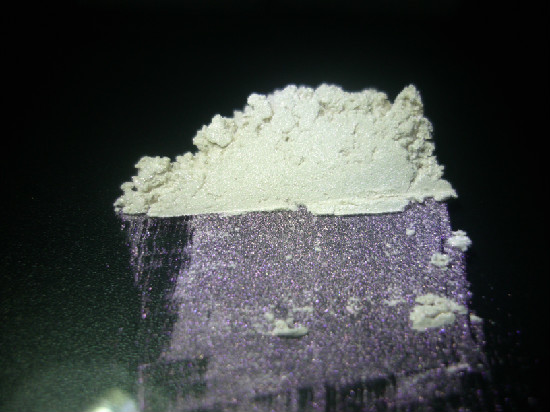
KT-219 produz umefeito pérola de interferência violetaEm substratos escuros e transparentes — uma camada média a espessa de mica natural revestida com TiO₂ rutilo que reflete seletivamente comprimentos de onda da fase violeta por meio de interferência de película fina.10–60 μmO tamanho das partículas situa-se na faixa ideal: finas o suficiente para a formação de uma película suave em revestimentos, cosméticos e vernizes para unhas, e grossas o suficiente para proporcionar um brilho perolado perceptível em vez de um acabamento acetinado fosco. A cor de interferência violeta depende do substrato — não terá o desempenho esperado em bases brancas, verde-amareladas ou de cores complementares, o que representa a principal decisão de formulação que os compradores precisam tomar antes de especificar este tipo de partícula.
LEIA MAIS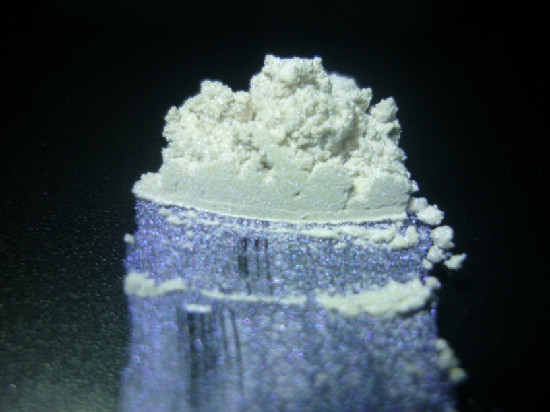
KT-225 é umpigmento de mica de interferência pérola azulDa série KT-200 Interference — uma mica natural revestida com uma camada espessa de rutilo TiO₂ que reflete seletivamente comprimentos de onda da fase azul através de interferência óptica em película fina. Aplicada sobre substratos escuros ou transparentes, proporciona um efeito perolado azul puro e saturado sem a necessidade de corantes ou pigmentos azuis. O mecanismo de interferência depende do substrato: a seleção da cor base é a principal decisão de formulação antes de especificar esta qualidade, e a combinação com bases de cores complementares (laranja-amarelo) suprimirá o azul e produzirá um resultado insatisfatório.
LEIA MAIS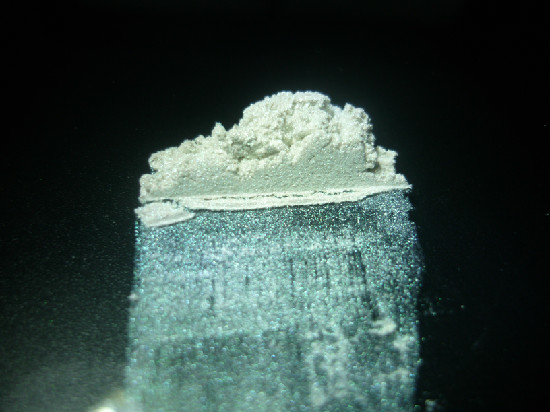
KT-235 é umpigmento de interferência pérola verdeDa série de interferência de mica natural KT-200 — o revestimento de TiO₂ mais espesso na gama de cores de interferência padrão, ajustado para refletir comprimentos de onda da fase verde através de interferência seletiva de película fina. Como todos os pigmentos de interferência KT-200, o pó apresenta uma aparência esbranquiçada quando a granel; a cor verde perolada torna-se visível apenas sobre substratos escuros, pretos ou transparentes. Para formuladores de cosméticos, desenvolvedores de revestimentos e fornecedores de artesanato que trabalham com substratos onde a cor base pode ser controlada, o KT-235 oferece uma pérola verde iridescente pura e sem corantes, que é estável ao longo do tempo e compatível com sistemas de aglutinantes padrão.
LEIA MAIS
O KT-201 é um pigmento de interferência de partículas finas, construído sobre mica natural com um revestimento de TiO₂ + SnO₂. O tamanho das partículas varia entre 5 e 25 μm, o que o posiciona na categoria de acabamento acetinado — com um caráter óptico suave e sedoso, sem brilho excessivo. O mecanismo de cor é a interferência óptica: a espessura da camada de TiO₂ é ajustada para reforçar seletivamente a luz com comprimento de onda semelhante ao do ouro, enquanto suprime os tons complementares. O resultado é um dourado suave, com variação angular que se apresenta de forma diferente dependendo do ângulo de visão e da cor do substrato.Esta qualidade é estruturalmente equivalente ao Iriodin 201 Satin Gold — mesmo substrato de mica, mesma composição química do revestimento (TiO₂ + SnO₂), mesma faixa de tamanho de partícula. Para formuladores que precisam de uma solução de substituição direta. pigmentos alternativos de mica da Merck Sem a necessidade de reformulação em torno de uma distribuição de tamanho de partículas ou perfil de índice de refração diferente, o KT-201 é a substituição direta.
LEIA MAIS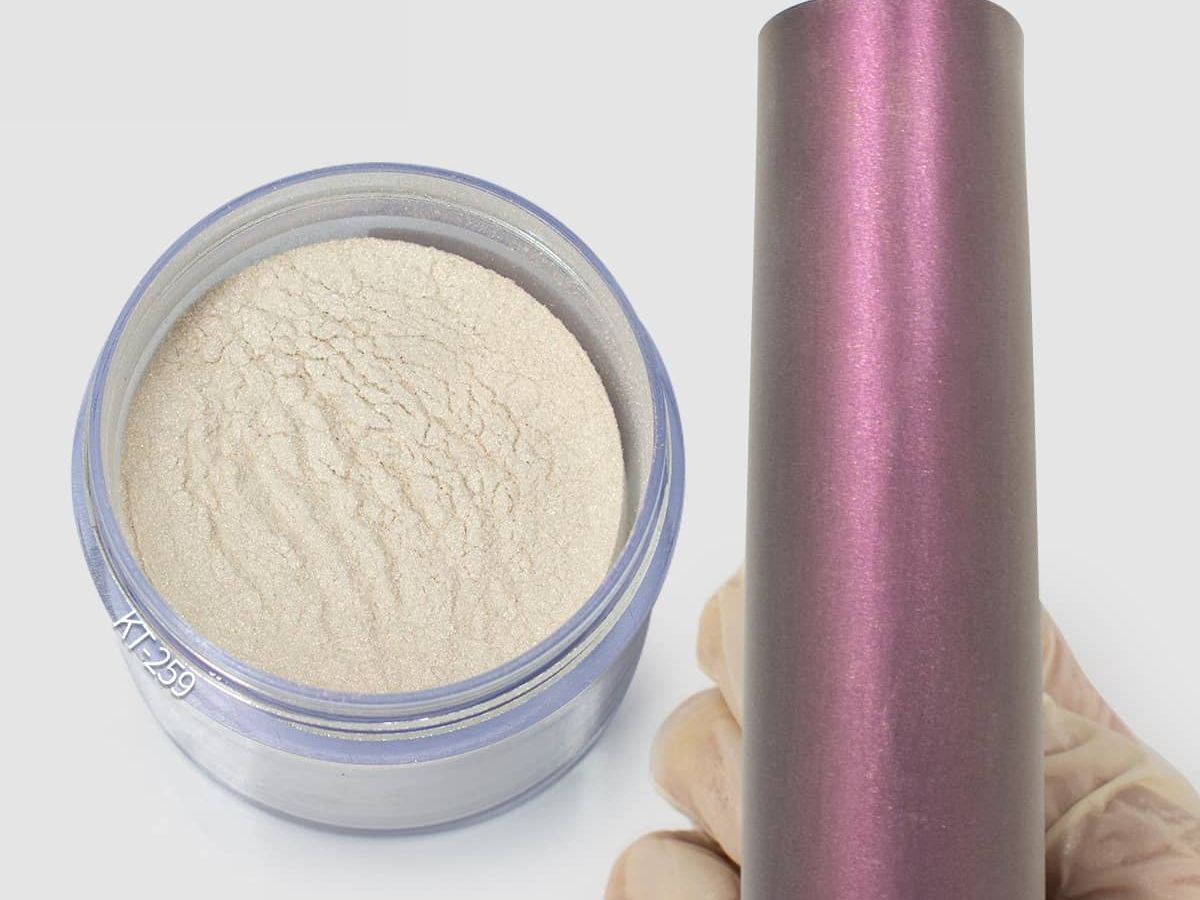
O KT-259 é um pigmento de interferência natural à base de mica que proporciona um efeito perolado vermelho vibrante — apresentando-se branco em superfícies neutras e revelando um vermelho intenso em substratos escuros. Como um pigmento direto alternativa ao iriidina 259É formulado para revestimentos, esmaltes e aplicações cosméticas onde a pureza da cor de interferência e a consistência confiável entre lotes são imprescindíveis. O comportamento óptico de duas cores o torna especialmente eficaz em revestimentos automotivos, tintas decorativas e sistemas de tinta com efeitos especiais.
LEIA MAIS
 Português
 English
 Français
 Deutsch
 Русский
 Español