
Deixe um recado
Se você estiver interessado em nossos produtos e quiser saber mais detalhes, deixe uma mensagem aqui e responderemos assim que possível.
Pó de mica perolado comestível com glitter para decoração de alimentos
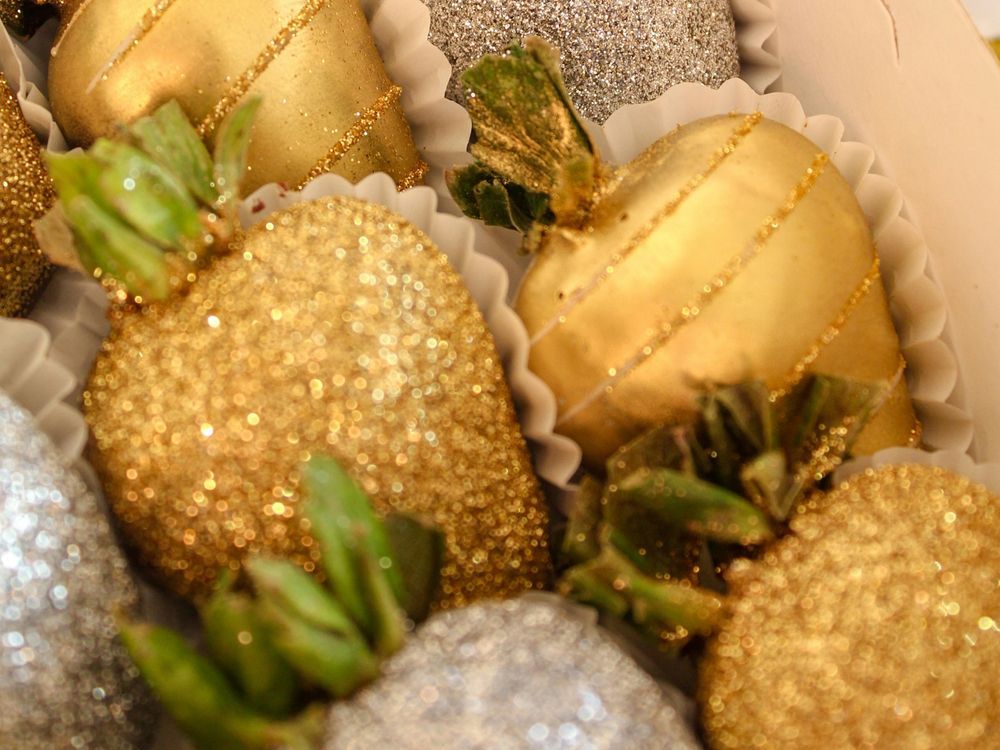
O pó comestível com glitter e o pó perolado para alimentos são pós à base de mica usados para aplicar brilho, luminosidade e efeitos metálicos em bolos, chocolates, coquetéis e uma ampla variedade de confeitos. Formulados com ingredientes seguros para alimentos e em conformidade com os padrões internacionais de segurança alimentar, esses pós proporcionam efeitos dourados, prateados, perolados e de cores vibrantes diretamente em superfícies comestíveis. Onde a apresentação visual agrega valor ao produto — de balcões de padaria a coquetéis artesanais — essa categoria de material de decoração tornou-se uma ferramenta padrão tanto no acabamento artesanal quanto industrial de alimentos.
A demanda por decoração de alimentos com brilho cresceu substancialmente nos mercados de panificação, confeitaria, bebidas e sobremesas especiais. Os decoradores aplicam esses pós a seco — com pincel, espanador ou soprador de ar — ou os suspendem em uma pequena quantidade de álcool ou solvente neutro para criar um efeito de tinta líquida em peças moldadas de chocolate, superfícies de fondant ou bases de bolo.
Os usos típicos incluem: pincelar flores de açúcar esculpidas com tinta dourada ou prateada, polvilhar brilho sobre bebidas de sobremesa em camadas, revestir bombons de chocolate para um acabamento metálico, adicionar efeitos perolados a macarons e finalizar cake pops com uma camada brilhante que cobre toda a superfície. Em cozinhas comerciais e ambientes de fabricação de alimentos, os mesmos materiais são dispensados mecanicamente em revestimentos para confeitaria no estilo drageia ou para a produção de granulado.
Os pós comestíveis à base de mica funcionam através da interferência e reflexão da luz. A estrutura em plaquetas da mica — revestida com óxidos de ferro, carmim ou outros corantes permitidos, dependendo da linha do produto — cria um efeito ótico em camadas. Quando a luz incide sobre a superfície de um chocolate polvilhado ou de um bolo com cobertura, as plaquetas refletem múltiplos ângulos simultaneamente, produzindo o brilho perolado ou metálico característico.
O tamanho das partículas influencia o aspecto visual: partículas mais finas (abaixo de 60 μm) produzem um brilho acetinado suave, ideal para trabalhos de acabamento em close-up. Partículas mais grossas (acima de 100 μm, até 500 μm) proporcionam um brilho mais visível — os flocos individuais tornam-se perceptíveis como pontos de luz discretos, o que funciona bem para decoração em grandes formatos ou apresentações teatrais.
A expressão da cor depende da composição química do revestimento. Os produtos da série padrão utilizam dióxido de titânio como camada refletora base, proporcionando efeitos perolados intensos e brilhantes. A série sem TiO₂ obtém o brilho através de substratos de óxido de ferro ou mica sintética — estes são os preferidos em mercados com restrições ao TiO₂ em alimentos.
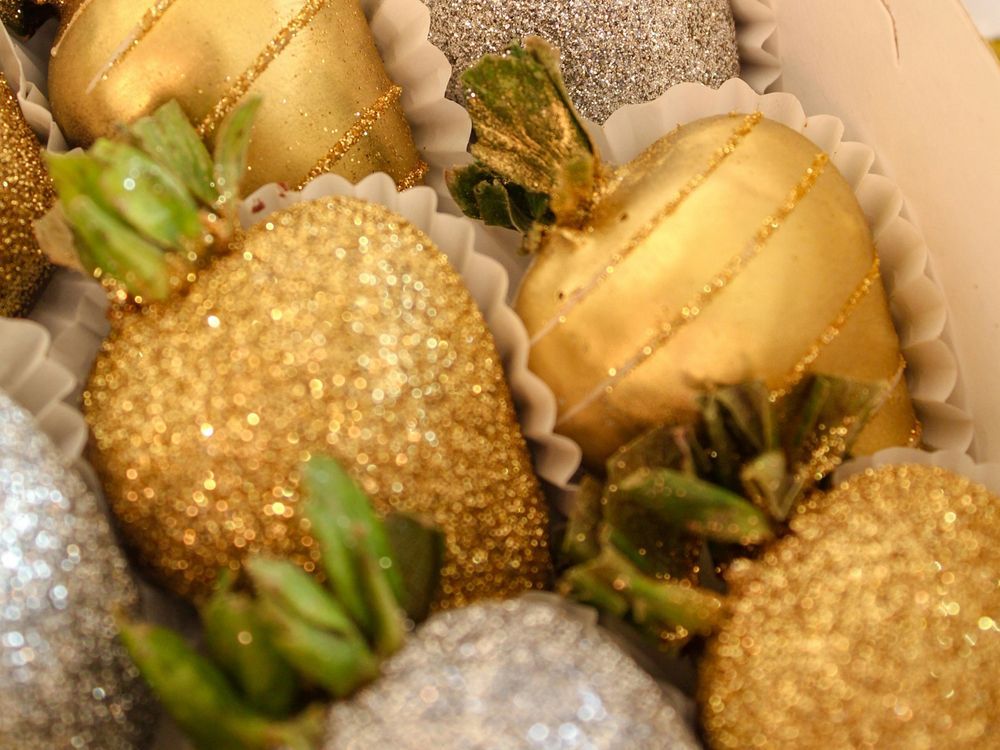
Duas famílias de produtos atendem à maioria das necessidades de decoração:
| Série | Características | Uso típico |
|---|---|---|
| Glitter comestível padrão | Mica revestida com TiO₂; alto brilho; ampla gama de cores, incluindo dourados, prateados, tons vibrantes e com brilho. | Bolos, biscoitos, sorvete, bebidas, confeitos, chocolate |
| Glitter comestível sem TiO₂ | Base de óxido de ferro ou mica sintética; opções com ouro e prata naturais; em conformidade com as restrições da UE sobre TiO₂ em alimentos. | Produtos para o mercado da UE, confeitaria com rótulo natural, aplicações sensíveis à regulamentação |
Dentro da série padrão, produtos como F163 (Shimmer Pearl, 40–200μm) e F183 (Sparkle Pearl, 50–500μm) são ideais para decoração de grandes superfícies onde a quantidade de flocos visíveis é importante. F7101 (Fine Satin White, Estabilidade:Esses pós são quimicamente inertes em condições normais de processamento de alimentos. Eles não se degradam sob temperaturas típicas de cozimento quando usados para decoração de superfícies externas. Dito isso, incorporá-los a uma massa antes de assar não é recomendado — o efeito se perde com o calor e o resultado visual será inconsistente. Sensibilidade à umidade:A aplicação a seco (com pincel ou espanador) proporciona o resultado visual mais limpo. Quando a superfície a ser decorada está úmida — como um fondant molhado ou um donut recém-glaceado — o pó pode formar grumos ou ser absorvido de forma irregular. Aplicar sobre uma superfície seca ou firme resulta em uma cobertura mais controlada. Compatibilidade com cores:Os pós de mica comestíveis da Kolortek se misturam perfeitamente com outros corantes aprovados para uso alimentar. Isso permite que os decoradores misturem tonalidades ou ajustem a matiz de uma cor base perolada. Na prática, as plaquetas de mica não competem com os corantes dissolvidos em suspensão — ambos podem coexistir em um líquido de aplicação à base de álcool sem separação, desde que a mistura seja mantida em agitação constante. Conformidade regulamentar:Todos os produtos da linha de glitter comestível são formulados para atender aos padrões internacionais de segurança alimentar. A Kolortek possui certificação Kosher. Para uso específico na UE, a linha sem TiO₂ atende diretamente à proibição de 2022 da Comissão Europeia sobre o dióxido de titânio como aditivo alimentar (E171). A técnica de pincel seco é a mais comum entre os profissionais. Um pincel macio e plano é levemente carregado com a técnica e aplicado em pinceladas sobre fondant, pasta de goma, chocolate ou casca de fruta. Isso proporciona ao decorador controle direcional e permite a aplicação de degradês. O acessório de aerógrafo com um bocal para pó é usado para decoração de cobertura total ou em grandes quantidades. Para uma aplicação semelhante à pintura — como pintar veios dourados em um bolo com efeito de falha geológica, por exemplo — o pó é suspenso em álcool de qualidade alimentar (normalmente vodca de alta graduação alcoólica ou álcool isopropílico que evapora completamente). A proporção varia de acordo com a viscosidade desejada, mas uma base de aproximadamente 1 parte de pó para 3 a 4 partes de álcool em peso proporciona uma consistência adequada. O álcool evapora rapidamente, deixando as partículas de mica aderidas à superfície. Na produção industrial de alimentos — como no revestimento de confeitos ou na produção de granulados brilhantes — o pó é incorporado a uma solução de goma-laca ou glacê de confeiteiro que é aplicada por tamboreamento ou pulverização sobre o substrato. A dispersibilidade, nesse contexto, é simples: as plaquetas de mica se misturam aos sistemas de goma-laca e álcool sem a necessidade de agentes dispersantes. Uma limitação é a adesão em superfícies com alto teor de gordura. Em pedaços cobertos com chocolate cru ou manteiga de cacau, o pó seco não adere de forma confiável, a menos que a superfície esteja ligeiramente aquecida (para que a gordura fique pegajosa) ou que seja utilizada uma camada intermediária de um agente aglutinante mínimo, como gel de confeiteiro. Os pós de glitter comestíveis padrão com revestimento de TiO₂ proporcionam tons de branco e prata mais intensos e com maior opacidade. O brilho geralmente é mais visível em condições de pouca luz — o que é importante para exposições de bolos ou eventos noturnos. As versões sem TiO₂ tendem a apresentar efeitos perolados mais quentes e ligeiramente mais translúcidos, que alguns confeiteiros preferem para acabamentos mais naturais. Do ponto de vista regulamentar, se o produto se destina ao mercado europeu, a ausência de TiO₂ não é opcional — é obrigatória. Para todos os outros mercados onde o TiO₂ em alimentos ainda é permitido, a série padrão oferece uma gama mais ampla de opções de cores e, em muitos casos, uma solução mais econômica para a decoração de confeitaria em larga escala. Esses pós são seguros para consumo direto? Qual a diferença entre o pó de mica próprio para contato com alimentos e a mica cosmética comum? Esses pós podem ser usados em bebidas e coquetéis? Vocês oferecem amostras para avaliação? Solicite amostras ou discussão técnica. Se você estiver avaliando tipos específicos de acabamento para uma linha de produtos — sejam eles padrão ou isentos de TiO₂, acetinados finos ou com brilho intenso — podemos fornecer amostras e dados técnicos para apoiar seu processo de desenvolvimento. As equipes de compras que atuam no mercado da UE devem especificar os requisitos de ausência de TiO₂ desde o início para garantir a conformidade regulatória desde a primeira rodada de amostras. Contato:contact@kolortek.comConsiderações sobre o desempenho
Informações sobre formulação e processamento
Comparação prática entre a versão padrão e a versão sem TiO₂.
Recomendações práticas
Perguntas frequentes
Sim. Os produtos da linha de glitter comestível são formulados com ingredientes seguros para contato com alimentos e fabricados em conformidade com as normas internacionais de segurança alimentar. Eles são destinados à aplicação direta em alimentos que serão consumidos. A linha comestível da Kolortek possui certificação Kosher.
A mica cosmética é aprovada para contato com a pele, mas não é formulada para ingestão. O pó de mica seguro para uso alimentar utiliza apenas ingredientes com aprovação para aditivos alimentares. A mica base e quaisquer óxidos de revestimento devem atender a critérios específicos e mais rigorosos de segurança oral. Não substitua materiais de grau cosmético em aplicações alimentares.
Sim. O pó brilhante para alimentos é usado rotineiramente em bebidas gaseificadas, coquetéis e bebidas quentes. As partículas mais finas se suspendem de maneira mais uniforme no líquido. As partículas mais grossas tendem a se depositar no fundo da panela e são mais adequadas para criar efeitos flutuantes na superfície da bebida. Nenhuma das variantes se dissolve — elas permanecem como partículas físicas em suspensão.
Solicitações de amostras de classes ou séries específicas são tratadas pela equipe técnica. Os detalhes de contato estão abaixo.
O pó comestível com glitter e o pó perolado para alimentos são pós à base de mica usados para aplicar brilho, luminosidade e efeitos metálicos em bolos, chocolates, coquetéis e uma ampla variedade de confeitos. Formulados com ingredientes seguros para alimentos e em conformidade com os padrões internacionais de segurança alimentar, esses pós proporcionam efeitos dourados, prateados, perolados e de cores vibrantes diretamente em superfícies comestíveis. Onde a apresentação visual agrega valor ao produto — de balcões de padaria a coquetéis artesanais — essa categoria de material de decoração tornou-se uma ferramenta padrão tanto no acabamento artesanal quanto industrial de alimentos.
LEIA MAIS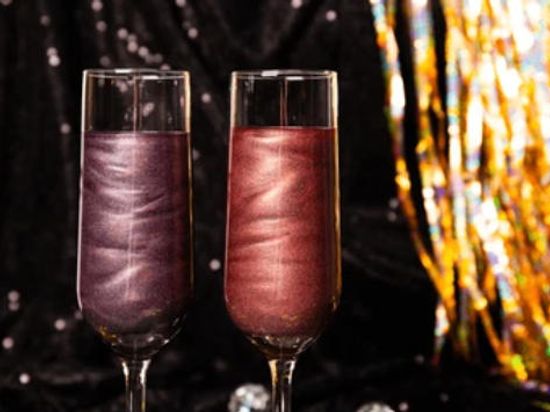
O glitter comestível para coquetéis e bebidas especiais tornou-se um requisito essencial na formulação de bebidas — e não apenas uma novidade — à medida que bares, marcas de bebidas e fabricantes de alimentos buscam oferecer experiências visuais memoráveis. Os pós perolados à base de mica são a escolha padrão, oferecendo efeitos de brilho dourado, prateado e em todo o espectro de cores, que permanecem suspensos ou se depositam em padrões atraentes em líquidos. Seja usado como pó brilhante para bebidas ou misturado diretamente em sistemas líquidos, esses pigmentos adicionam um acabamento cintilante distinto que eleva a apresentação da bebida no momento do serviço.
LEIA MAIS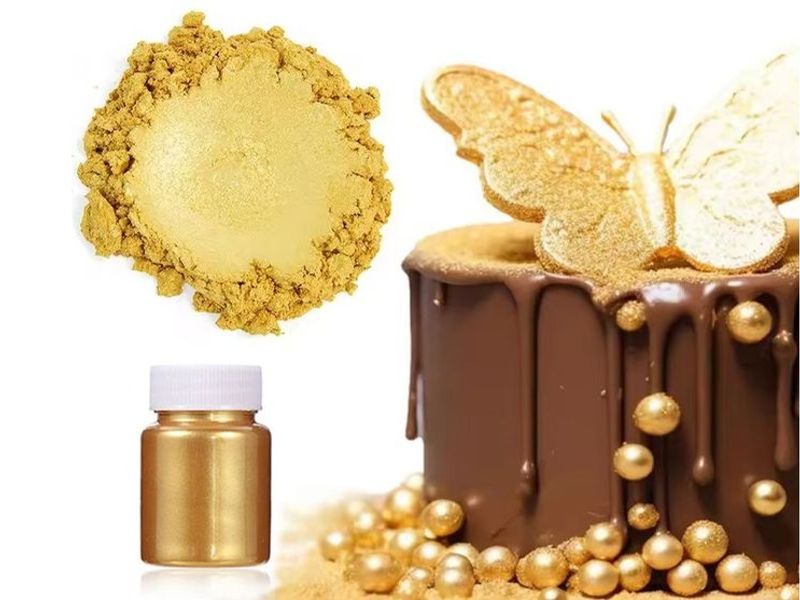
Decoração de bolos com pó de ouro comestível O uso de pigmentos perolados de qualidade alimentar tornou-se prática padrão para confeiteiros profissionais e estúdios de confeitaria que buscam adicionar um brilho metálico genuíno e efeitos perolados lustrosos aos produtos finais. Esses pigmentos — formulados com ingredientes naturais e seguros para contato com alimentos — proporcionam uma cobertura brilhante e uniforme em superfícies de fondant, buttercream, chocolate e açúcar. Seja aplicado diretamente sobre as camadas ou misturado a um meio de pintura, pó de pérola de bolo e outros formatos comestíveis brilhantes oferecem aos decoradores um controle preciso sobre a intensidade do efeito, desde um brilho acetinado suave até um acabamento ousado e reflexivo, tornando-os a escolha ideal em qualquer lugar. pó comestível brilhante para bolos está especificado.
LEIA MAIS
 Português
 English
 Français
 Deutsch
 Русский
 Español