
Deixe um recado
Se você estiver interessado em nossos produtos e quiser saber mais detalhes, deixe uma mensagem aqui e responderemos assim que possível.
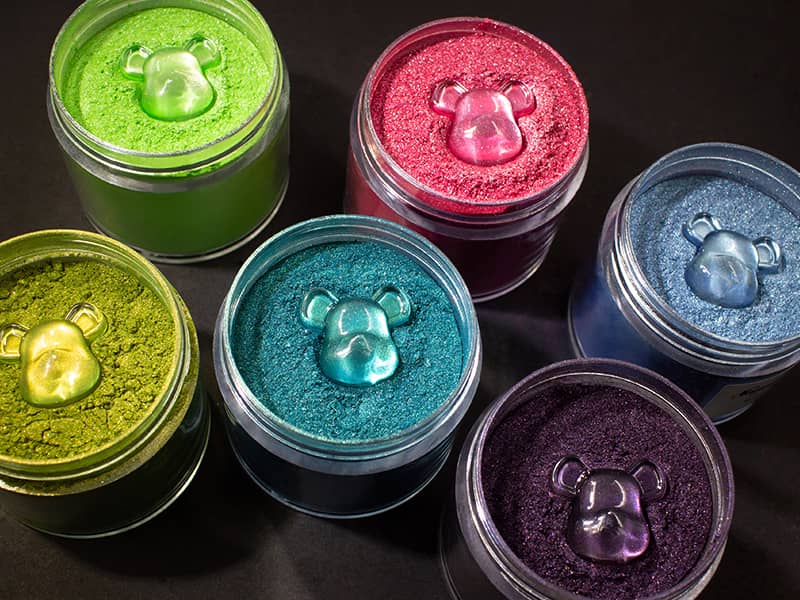
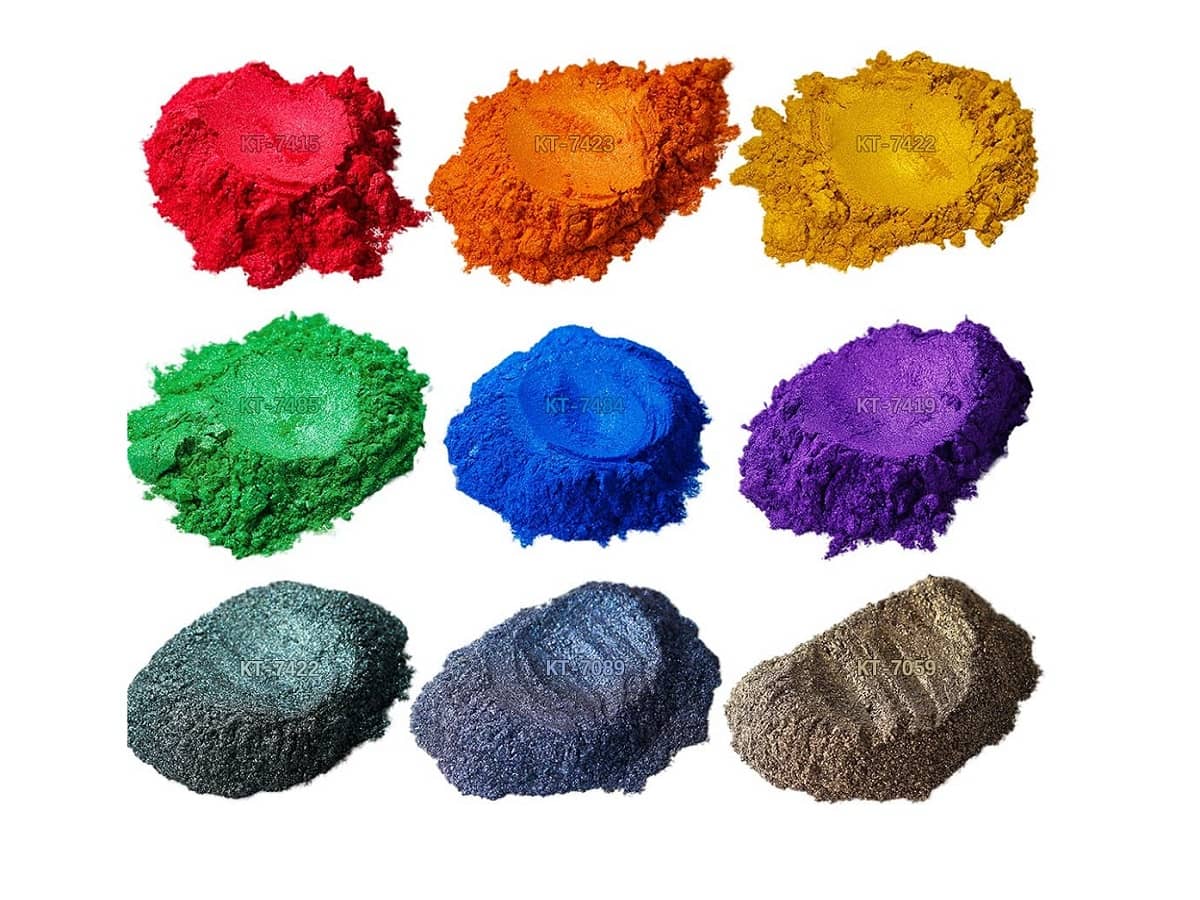
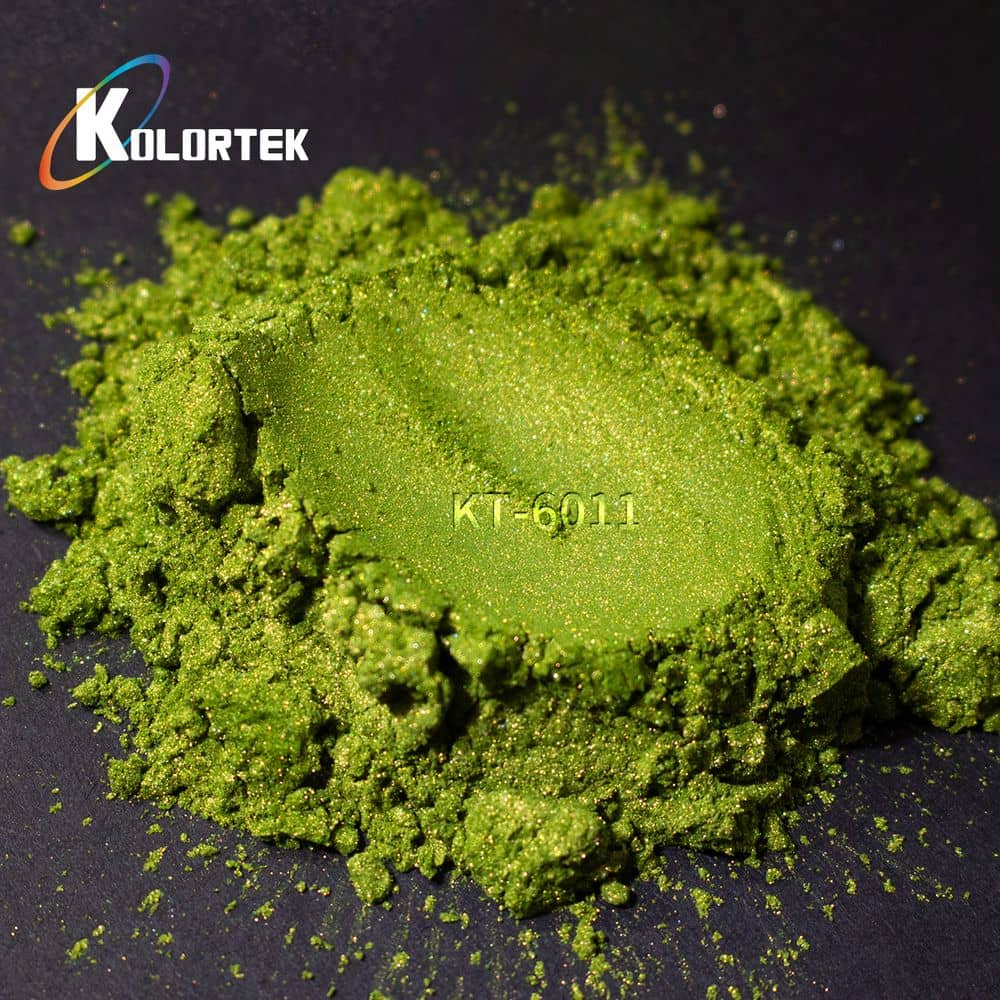
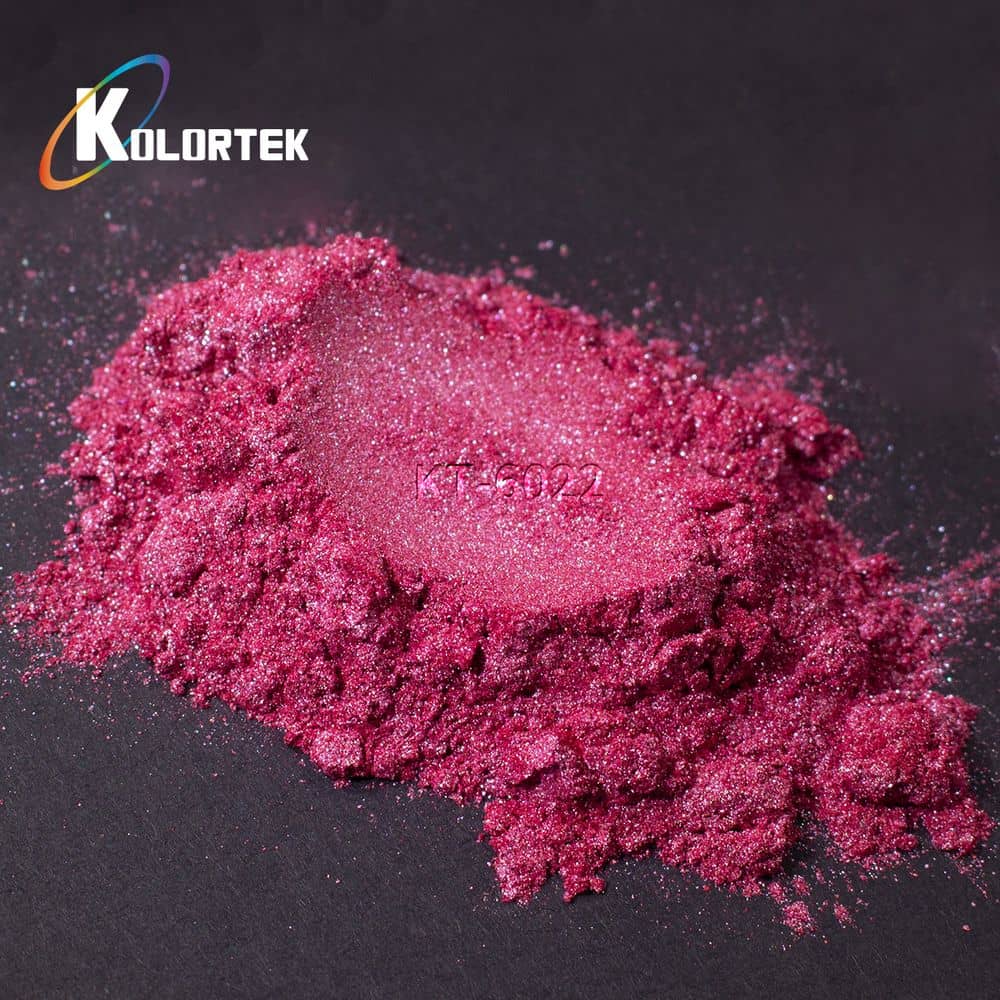
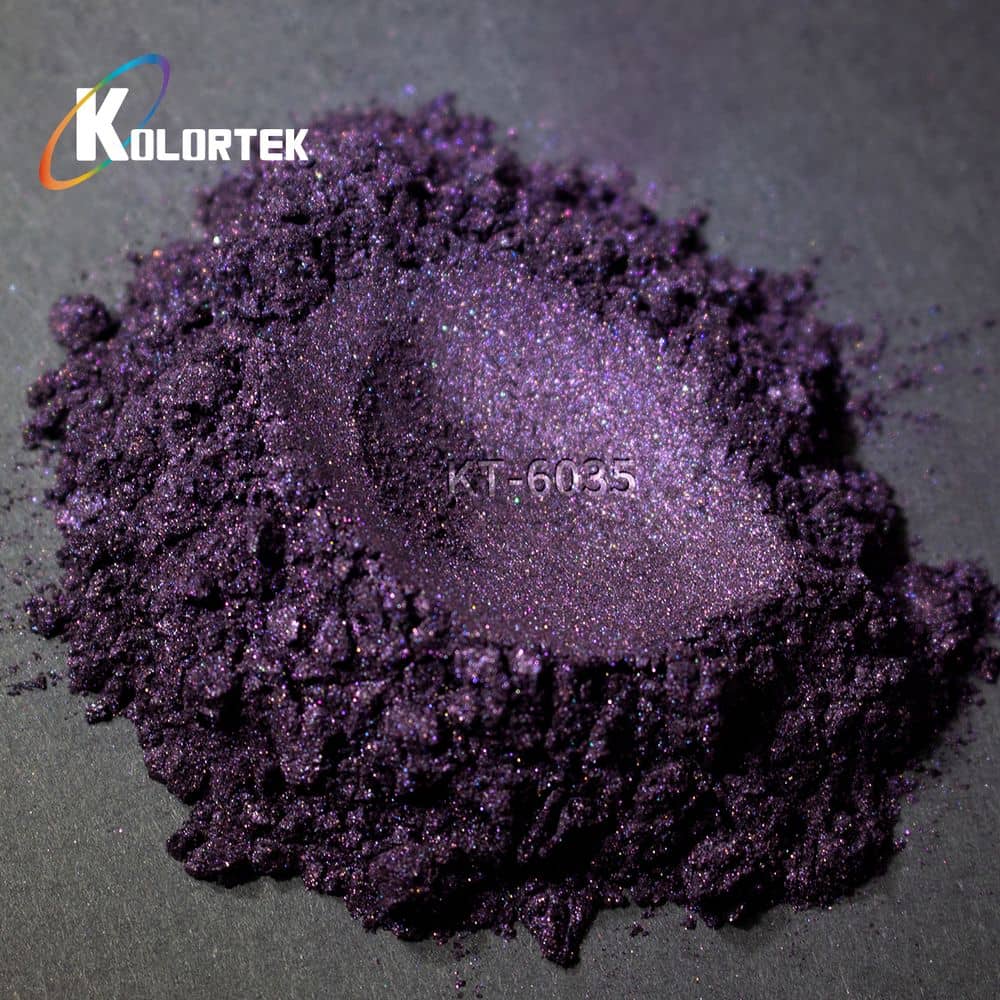
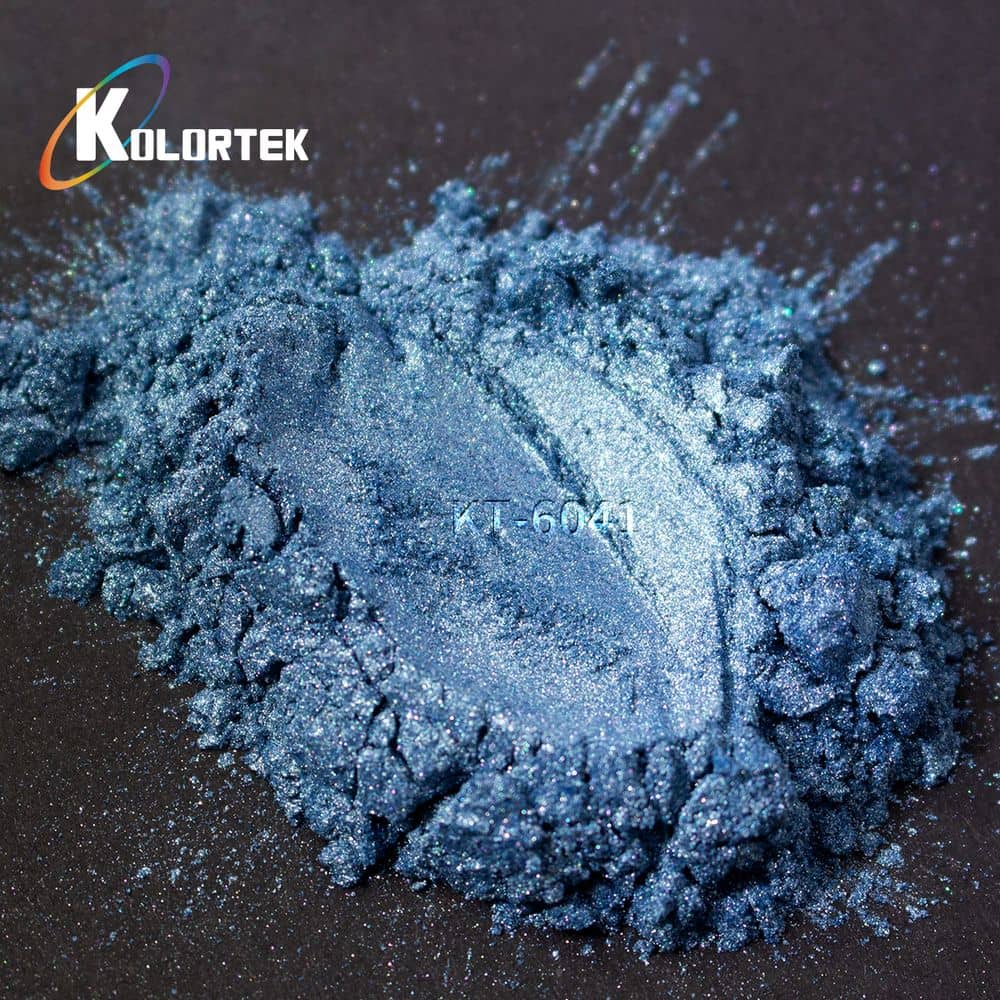
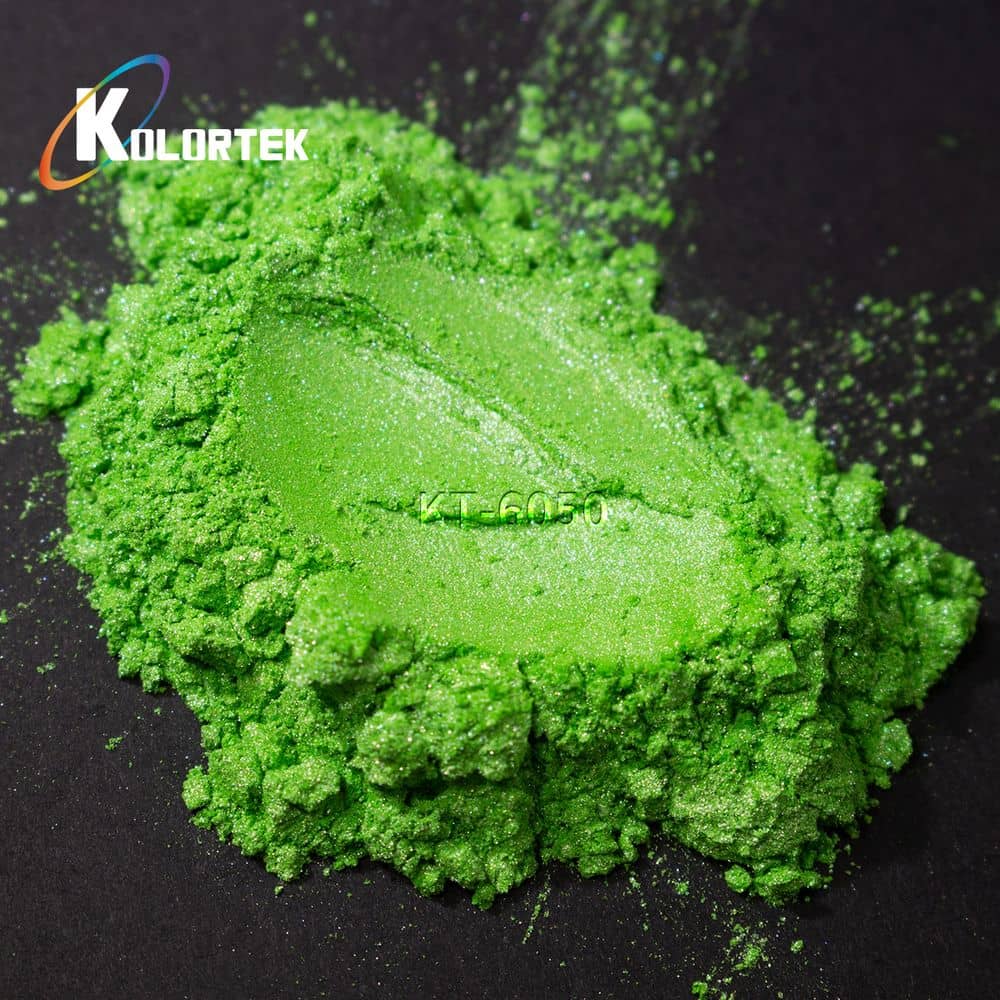
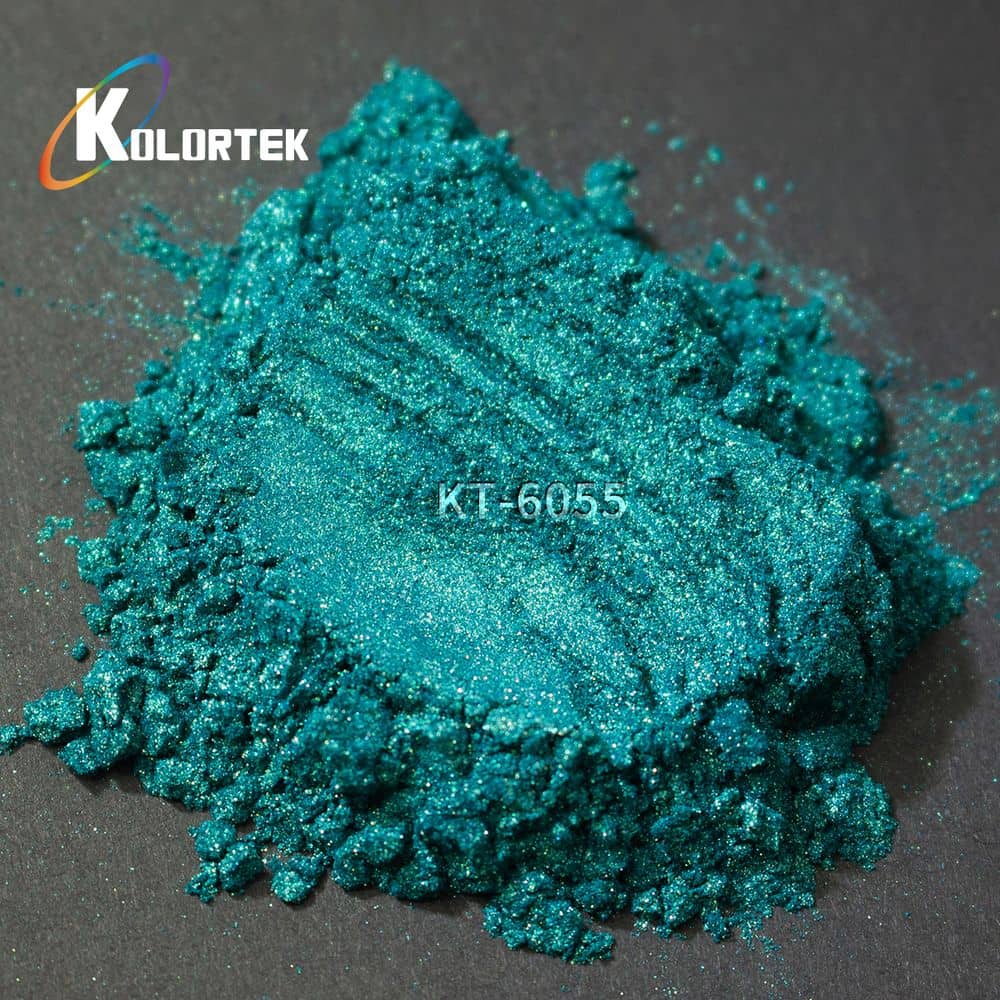
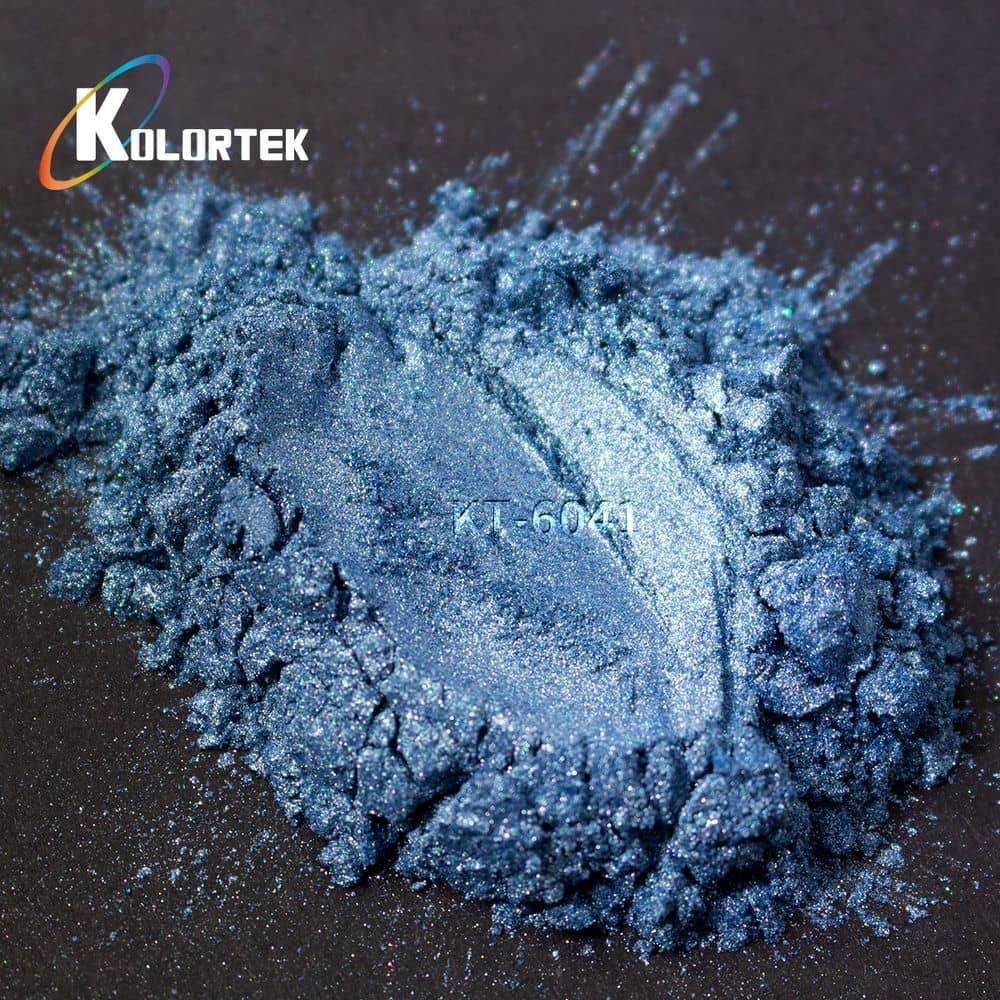
A linha de pós de mica coloridos multicoloridos da Kolortek abrange substratos de mica natural e sintética, com variantes dedicadas à qualidade cosmética e opções de qualidade industrial em diversas séries.
Item nº. :
KT-600 (Natural Mica) / KT-7000 (Synthetic Fluorphlogopite)Efeito de cor :
Red, Orange, Yellow, Green, Blue, Violet, etc.Tamanho da partícula :
5-25μm, 10-60μm, 10-100μm, 30-150μm, etc.Marca :
Kolortek / OEMMOQ :
25 KGPigmentos perolados depositados sobre um substrato de mica são bem conhecidos nesta indústria. O que diferencia uma série multicolorida é a presença de materiais que absorvem a luz — tipicamente pigmentos de cor aplicados em camadas com dióxido de titânio ou dióxido de estanho — que produzem não apenas brilho, mas também cores visíveis, saturadas e com profundidade. O resultado é um pigmento que reflete um brilho perolado, ao mesmo tempo que oferece uma tonalidade definida: vermelho, dourado, azul, verde, violeta e muito mais.
A linha de pós de mica coloridos multicoloridos da Kolortek abrange substratos de mica natural e sintética, com variantes dedicadas à cosmética e opções de grau industrial em diversas séries. Se você precisa atender a diferentes requisitos de uso final — cosméticos, revestimentos, impressão ou artesanato especializado — a distinção entre esses substratos e séries é importante tanto do ponto de vista de desempenho quanto de conformidade.
A gama de esmaltes perolados multicoloridos da Kolortek está organizada em diversas séries. Cada uma possui um substrato, uma faixa de tamanho de partícula, uma paleta de cores e uma aplicação específica. Veja como elas se dividem:
| Série | Substrato | Aplicação principal | Modelos típicos |
|---|---|---|---|
| Série 660000 Mica Natural Multicolorida | Mica natural (base KT-600) | Revestimentos industriais, artesanato, epóxi, impressão | KT-6113, KT-6212, KT-6311, KT-6411, KT-6511, KT-6711, KT-6811, KT-6911, série KT-6011, série KT-66 |
| Série 706000 SynStar Multicolor | Mica sintética (fluorflogopita) | Cosméticos de alta qualidade, revestimentos, plásticos | KT-7421, KT-7415, KT-7424, KT-7419, KT-7435, KT-7405, KT-7482–7485, KT-7059, KT-7089, KT-7099, KT-7659, KT-7669, KT-7689 |
| Pérola cosmética multicolorida (68800 / 699000 / 655000 / 6992000) | Mica natural e sintética, grau cosmético | Cosméticos decorativos, cuidados pessoais | KT-68824B, KT-68835, KT-68845, KT-699131, KT-699141, KT-6992011, KT-6992041, KT-655111, KT-655121, série KT-6552201, série KT-68860 |
| Série KT-67000 em dois tons | Mica natural | Revestimentos, aplicações decorativas | KT-67204, KT-67304, KT-67505, KT-67225, KT-67325, KT-67600A, KT-67619, KT-67635R |
Dentro de cada série, os números de modelo codificam informações úteis sobre a família de cores e a faixa de tamanho das partículas. Se você estiver comparando opções, vale a pena entender essa estrutura antes de solicitar amostras.
Ambos os substratos produzem pó de mica colorido eficaz, mas comportam-se de maneira diferente na formulação e apresentam perfis regulatórios distintos.
Mica naturalA moscovita é o padrão para a maioria das aplicações industriais e muitas aplicações cosméticas. É econômica, disponível em uma ampla gama de tamanhos de partículas e apresenta bom desempenho em tintas, sistemas epóxi e produtos decorativos em geral. A série multicolorida à base de KT-600 se enquadra nessa categoria.
Mica sintéticaA fluoroflogopita oferece maior brilho e brancura no nível do substrato, melhor pureza química e ausência de preocupações com metais pesados provenientes do próprio substrato — o que é cada vez mais importante para a conformidade com as normas cosméticas e para formulações de beleza limpa. A série SynStar e as variantes de mica sintética dentro da série cosmética utilizam esse substrato. A desvantagem é o custo, que é consideravelmente mais alto.
Para aplicações cosméticas, a decisão geralmente se resume à região regulatória e ao posicionamento do produto. Para revestimentos industriais ou aplicações artesanais, a mica natural normalmente oferece desempenho suficiente a um preço mais acessível.
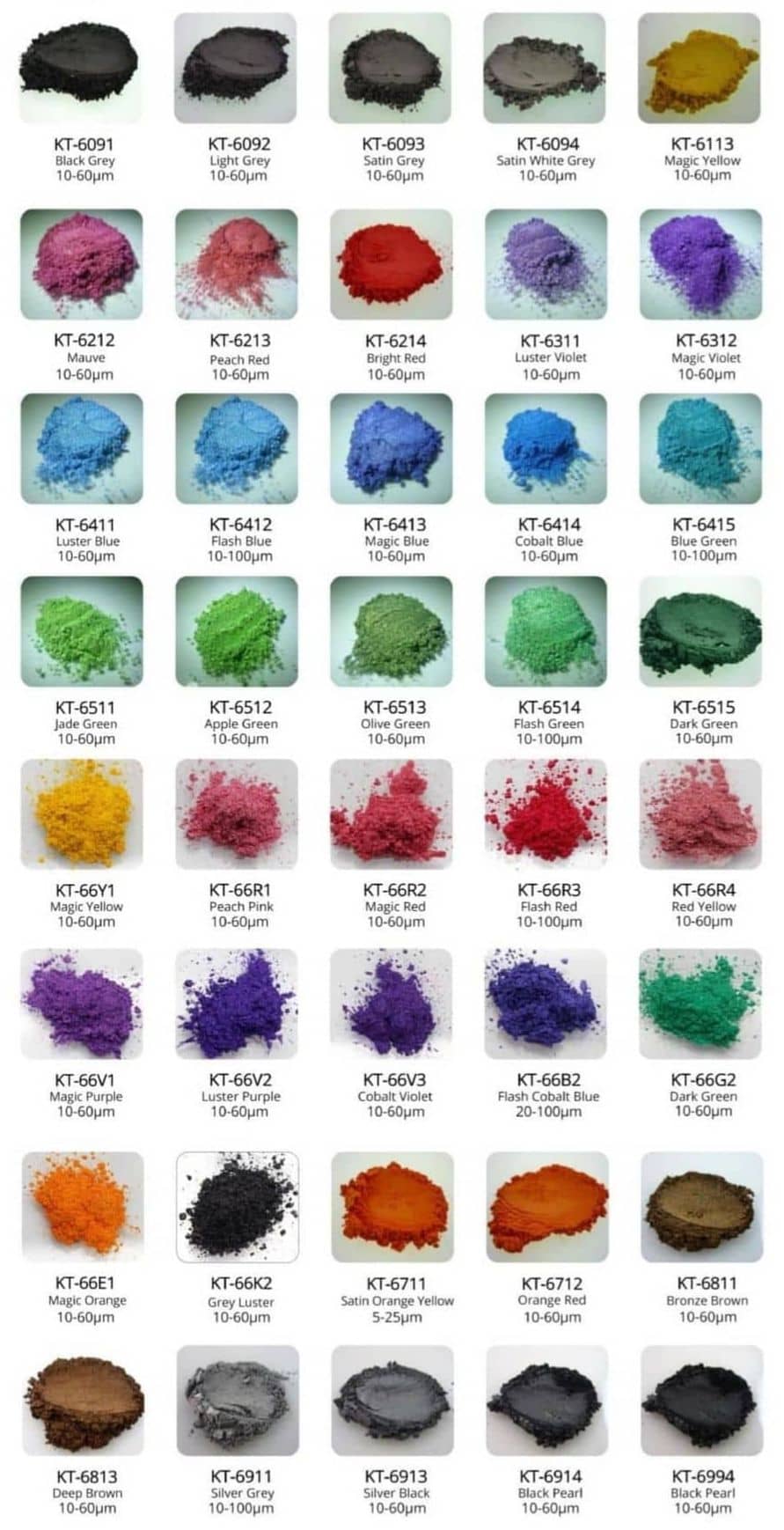
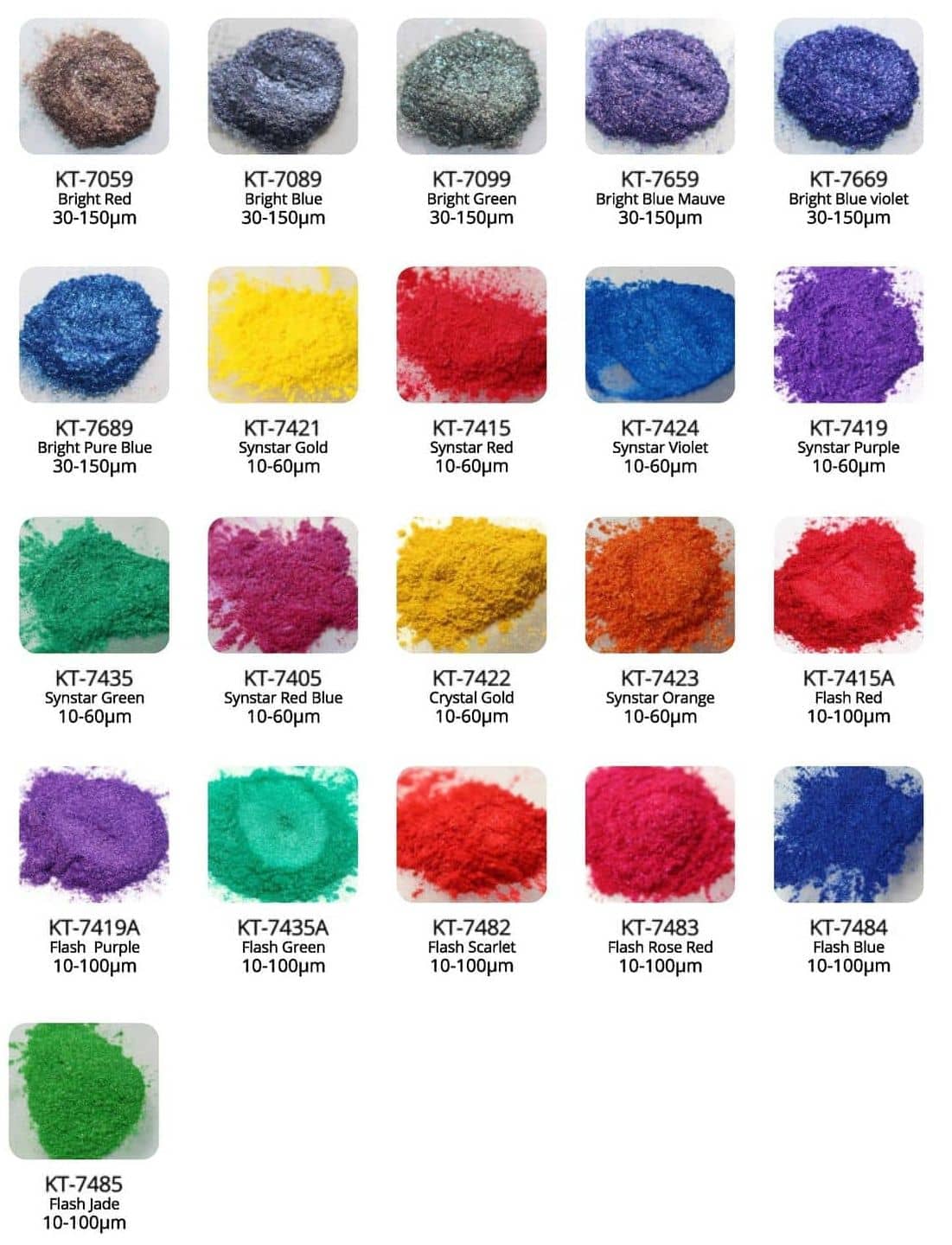
Cosméticos decorativos e cuidados pessoais:Sombras para os olhos, blush, iluminador, produtos para os lábios, brilho corporal e sabonete. A linha multicolorida de grau cosmético foi desenvolvida especificamente para este segmento, com atenção à compatibilidade com a pele, à textura e à intensidade de cor esperada em formulações modernas de maquiagem.
Produtos para unhas:Esmaltes em gel e vernizes para unhas se beneficiam de partículas de tamanho fino a médio nessa faixa. A dispersão em sistemas de solventes polares geralmente é simples, embora o tratamento de superfície do pigmento afete esse processo — verifique a granulometria específica.
Tintas e revestimentos arquitetônicos:Os pigmentos de mica multicoloridos são comumente usados em revestimentos decorativos de parede, tanto em sistemas à base de água quanto à base de solvente. A série Two Tone adiciona uma mudança de cor dependente do ângulo, que funciona bem para paredes de destaque e acabamentos especiais.
Revestimento epóxi para pisos e bancadas / mármore artificial:Para um brilho visível, preferem-se partículas mais grossas (normalmente de 40 a 200 µm). Os pigmentos são quimicamente estáveis em sistemas epóxi e mantêm a cor sob condições típicas de cura.
Impressão:Para impressão serigráfica ou rotogravura, são necessárias partículas de tamanho fino — geralmente inferior a 25 µm — para evitar entupimentos e garantir uma deposição uniforme. Modelos específicos de partículas finas da série KT-6000 são adequados para essa finalidade.
Artesanato e faça você mesmo:Fundição em resina, fabricação de velas, artesanato em papel. A ampla gama de cores e a facilidade de dispersão tornam a série padrão de mica natural multicolorida uma escolha prática para este segmento.
O desempenho de um pigmento em pó de mica nesta categoria depende da combinação da qualidade do substrato, da uniformidade da camada e da natureza dos pigmentos utilizados. Alguns pontos importantes para os formuladores:
Na área de cosméticos, a conformidade com os ingredientes não é opcional. A linha de cosméticos multicoloridos da Kolortek é produzida sob rigorosos controles de qualidade, alinhados às principais exigências do mercado. A documentação, incluindo as certificações ISO, REACH, SGS, TÜV SÜD e Kosher, está disponível mediante solicitação — entre em contato.contact@kolortek.compara certificados específicos relevantes para o seu mercado.
Na prática, os compradores que buscam produtos para os mercados de cosméticos da UE ou de cuidados pessoais dos EUA devem especificar o uso final na fase de consulta, para que a especificação correta e o pacote de documentação possam ser confirmados. Nem todas as especificações da ampla gama multicolorida possuem certificação cosmética — as séries 68800, 699000, 6992000, 655000 e 68860 são as desenvolvidas especificamente para esse segmento.
Algumas questões práticas que surgem com frequência:
Níveis de carregamento:Os níveis de uso típicos variam de 1 a 5% em cosméticos e tintas, e de 5 a 15% em revestimentos e sistemas epóxi. Concentrações mais elevadas podem ser utilizadas, mas o rendimento diminui e a dispersão torna-se mais crítica.
Tratamento de superfície:Algumas classes de pigmentos da série cosmética possuem tratamentos de superfície (silicone, silano ou outros) para melhorar a sensação na pele ou a dispersão em fases óleo/água. Se isso for relevante para a sua formulação, especifique — versões com e sem tratamento podem estar disponíveis para a mesma cor.
Compatibilidade:Geralmente compatível com a maioria dos aglutinantes, resinas e bases cosméticas. Não apresenta interações significativas com absorvedores de UV padrão, espessantes ou conservantes comuns. No entanto, se você estiver formulando em um sistema reativo ou com solventes agressivos, realize testes de compatibilidade com a sua versão específica.
Combinação de cores:A aparência visual das cores dos pigmentos de mica depende muito da orientação. Medições de cor sob um único ângulo de iluminação podem ser enganosas — a espectrofotometria multiangular (por exemplo, 45°/15°, 45°/45°, 45°/110°) fornece uma imagem mais precisa de como o pigmento se comportará em um filme acabado ou em um estojo compacto prensado.
P: Qual a diferença prática entre a série multicolorida de mica natural e a série multicolorida de mica sintética (SynStar)?
A: As micas naturais oferecem uma gama mais ampla de tamanhos de partículas e um custo menor, tornando-as a opção padrão para revestimentos industriais, epóxi e muitas aplicações cosméticas. A mica sintética produz um substrato mais brilhante e limpo, com maior pureza química — relevante para cosméticos de alta qualidade, mercados com regulamentações rigorosas e aplicações em que a brancura do substrato afeta a reprodução final da cor.
P: Esses pigmentos podem ser usados em sistemas à base de água?
R: Sim. A maioria das classes nessa faixa é compatível com revestimentos à base de água, bases cosméticas aquosas e formulações de sabão em fase aquosa. Agentes umectantes podem melhorar a dispersão inicial em sistemas aquosos de alta viscosidade. Algumas classes com tratamentos de superfície hidrofóbicos podem exigir uma abordagem de incorporação diferente — consulte a ficha técnica do produto.
P: Como faço para selecionar o tamanho de partícula ideal para minha aplicação?
A: Como guia geral, recomenda-se o uso de partículas finas (5–25 µm) para tintas de impressão, bases e pós compactos; partículas médias (10–60 µm) para sombras para os olhos, produtos labiais, cosméticos líquidos e revestimentos padrão; e partículas grossas (60–500 µm) para pisos epóxi, aplicações em bancadas e trabalhos artesanais com revestimento aberto, onde o objetivo é obter brilho visível. Em caso de dúvida, solicite uma amostra com duas granulometrias diferentes e avalie o resultado em sua aplicação específica.
P: Existe documentação disponível sobre a conformidade de cosméticos (REACH, dados de segurança, INCI)?
R: Sim, para a série de acabamento estético. A disponibilidade da documentação varia conforme o nível de acabamento e o mercado de destino. Entre em contato diretamente, informando o modelo específico e o mercado-alvo, para confirmar a disponibilidade.contact@kolortek.com.
A gama de perolados multicoloridos abrange um amplo espaço de cores em diversos substratos e tamanhos de partículas. A maneira mais rápida de encontrar a qualidade ideal é compartilhar informações sobre sua aplicação, tipo de sistema, preferência de tamanho de partícula e quaisquer requisitos de conformidade.
Amostras, fichas técnicas (TDS e SDS) e documentação de conformidade estão disponíveis mediante solicitação. Entre em contato com a equipe técnica pelo endereço:contact@kolortek.comPara começar.
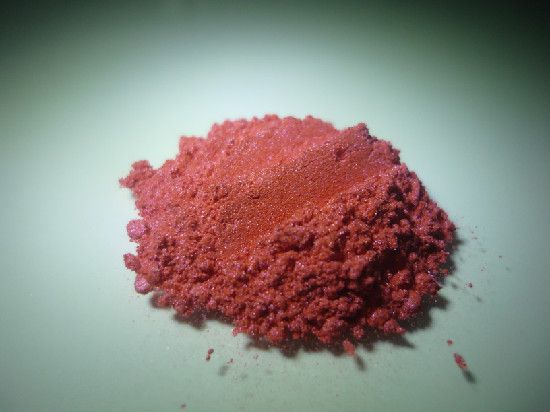
KT-6025 é umPigmento perolado de mica natural True Red no faixa de tamanho de partícula de 10 a 60 μm — uma mica colorida da Série Multicolor KT-6000, produzida pela deposição de uma camada de corante vermelho que absorve luz sobre um substrato de mica revestido com TiO₂. O resultado é um efeito visual duplo: um reflexo branco-prateado no ângulo de visão especular e uma cor vermelha saturada com absorção em ângulos laterais e difusos. Na faixa de 10 a 60 μm, o KT-6025 é adequado para revestimentos, esmaltes de unha, aplicações decorativas, sabonetes e sistemas epóxi onde um efeito perolado vermelho nítido e de alta saturação é necessário em uma variedade de substratos.
LEIA MAIS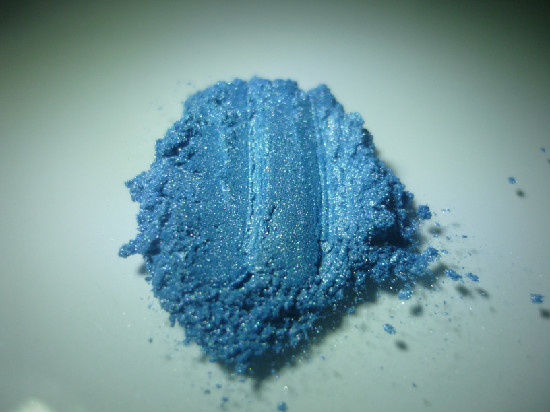
KT-6040 é umPigmento perolado de mica natural Azul Oceano— uma mica colorida da Série Multicolor KT-6000 que produz uma rica cor azul-oceano de absorção em ângulos de visão laterais e difusos, com umreflexo especular branco-prateadono ângulo de reflexão direta. No padrãoTamanho das partículas: 10–60 μmO Ocean Blue proporciona um brilho perolado azul equilibrado para revestimentos, esmaltes, sabonetes, sistemas epóxi e aplicações decorativas. Disponível em diversas granulometrias — de 5 a 25 μm para tintas de impressão e cosméticos finos, até 30 a 150 μm para um brilho intenso em resinas epóxi e artesanais —, o Ocean Blue se adapta a uma ampla gama de métodos de aplicação e objetivos visuais.
LEIA MAIS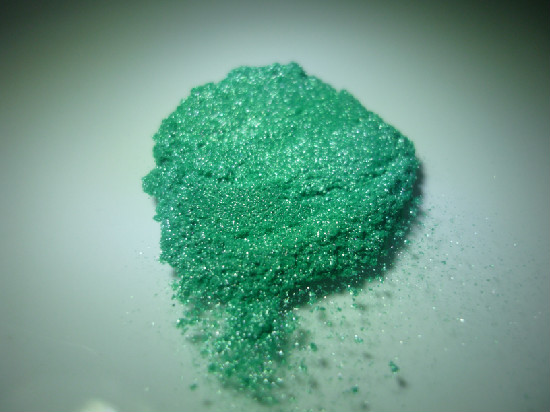
KT-6057 é umPigmento perolado de mica natural Flash GreennoFaixa de tamanho de partícula de 10 a 100 μm— o grau verde de formato mais grosso da Série Multicolor KT-6000, otimizado para aplicações onde é necessário um brilho verde visível em cada plaqueta, juntamente com a reflexão especular prateada característica da série. A distribuição de 10–100 μm abrange tanto a fração fina (que contribui para a cobertura do fundo perolado verde) quanto a fração grossa (que contribui para os pontos de fulgor individuais visíveis) — produzindo uma superfície perolada verde com brilho pronunciado que o grau padrão de 10–60 μm não consegue atingir com a mesma carga. Pisos epóxi, revestimentos decorativos, esmaltes para unhas e resinas artesanais são os principais contextos de aplicação.
LEIA MAIS
KT-7059 é umPigmento perolado de mica sintética vermelho brilhanteno grosseiroFaixa de tamanho de partícula de 30 a 150 μm— uma mica colorida à base de fluoroflogopita da série KT-7000 que proporciona um intenso efeito de brilho vermelho com reflexo especular branco-prateado. A distribuição de 30–150 μm posiciona a KT-7059 firmemente na extremidade do espectro de brilho intenso: os reflexos individuais das plaquetas são claramente visíveis a distâncias normais de visualização, tornando-a ideal para pisos epóxi, arte em resina, artesanato, esmaltes para unhas e revestimentos decorativos onde o objetivo do design é o máximo impacto de brilho vermelho. O substrato sintético de fluoroflogopita oferece maior pureza e menos inclusões minerais escuras do que a mica natural equivalente.
LEIA MAIS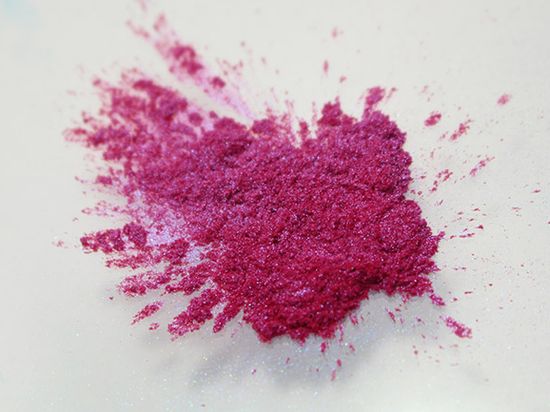
KT-7405 Synstar Vermelho Azul é umPigmento perolado de mica fluorflogopita sintéticanofaixa de tamanho de partícula de 10 a 60 μmque produz uma cor de absorção dupla vermelho-azul juntamente com uma reflexão especular branco-prateada — um grau de complexidade de cor que fica fora da gama padrão de tonalidade única da Série Multicolor KT-7000.
LEIA MAIS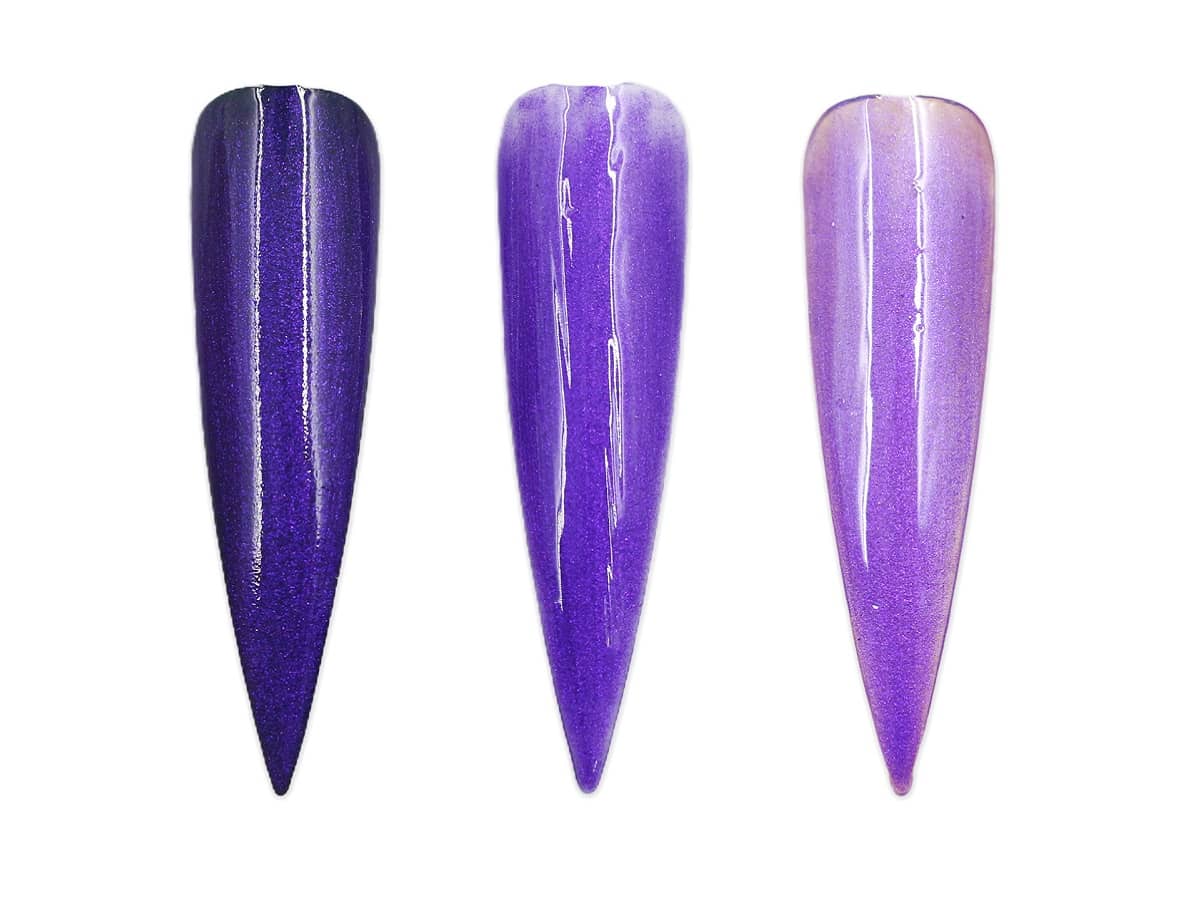
KT-7419A é umFlash Purple, pigmento perolado de mica fluorflogopita sintéticanoFaixa de tamanho de partícula de 10 a 100 μm— a variante mais grossa e de grau flash do KT-7419 Synstar Purple, projetada para aplicações onde é necessário um brilho roxo visível em plaquetas individuais, juntamente com cobertura perolada de fundo.
LEIA MAIS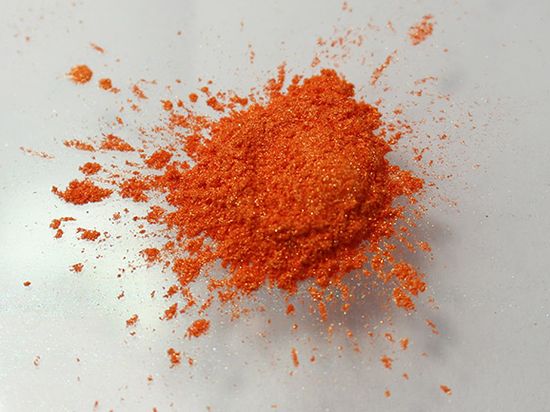
KT-7423 Synstar Laranja é umpigmento perolado de mica fluorflogopita sintéticano padrãofaixa de tamanho de partícula de 10 a 60 μmque proporciona uma cor de absorção laranja quente em ângulos de visão laterais e difusos, juntamente com uma reflexão especular branco-prateada no ângulo direto.
LEIA MAIS
A linha de pós de mica coloridos multicoloridos da Kolortek abrange substratos de mica natural e sintética, com variantes dedicadas à qualidade cosmética e opções de qualidade industrial em diversas séries.
LEIA MAIS
 Português
 English
 Français
 Deutsch
 Русский
 Español